
Benefits, Candidacy, and Style Options Explained
Eyeliner is one of those things that sounds simple until you are actually trying to do it at 6:30 in the morning before coffee. Getting both eyes to match. Keeping a steady hand. Fixing the smudge on the left side without making the right side worse. Then sweating through it at the gym or wiping it halfway down your face by noon. If that sounds like a familiar frustration, the idea of waking up with your liner already there probably does not take a lot of selling.
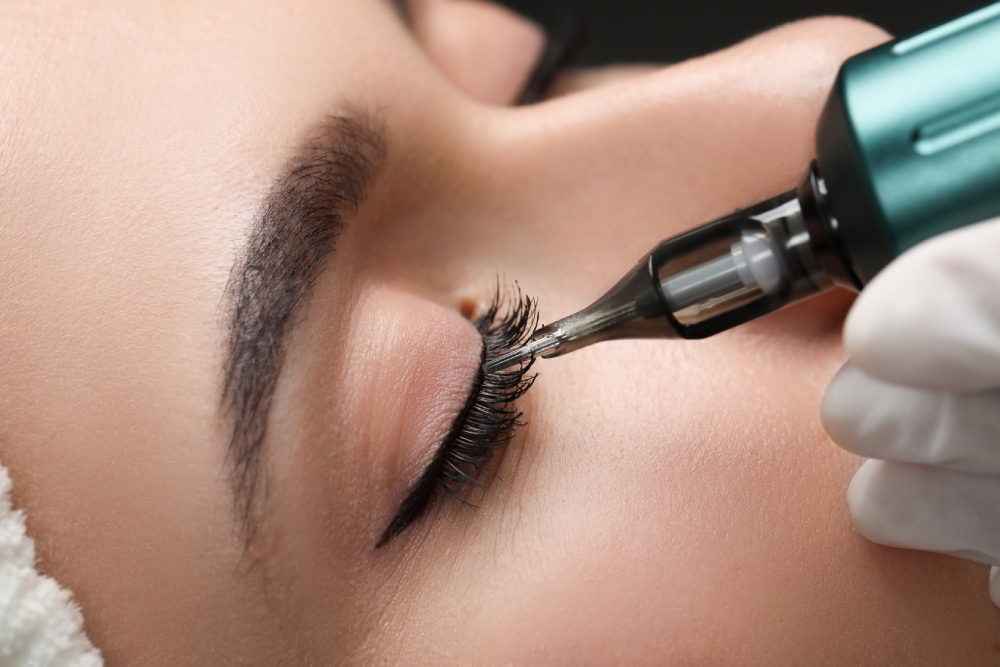
Permanent eyeliner is cosmetic tattooing placed along the lash line, and when it is done well it does not look like eyeliner in the traditional sense. It looks like your lashes are just naturally full and defined. That is actually the goal for most people. Not a dramatic painted line, just that subtle enhancement that makes the eyes look more awake and finished without any obvious effort behind it. For clients who wear contacts, have sensitivity to conventional eye makeup, or deal with conditions that make fine motor tasks difficult, the practical value goes beyond just convenience.
Whether this treatment makes sense for you specifically comes down to a few things: your overall health, how your eyelid skin looks and behaves, and what you are actually hoping the outcome will be. Some people want the most minimal possible enhancement, a soft smudge of pigment within the lashes that you would never identify as liner. Others want something a little more present and defined. Both are completely achievable. The consultation is where those preferences get translated into an actual plan.
How the Design Actually Works for Your Eye Shape
Eye shapes are not interchangeable, and a skilled permanent makeup artist does not treat them that way. The placement, the thickness, and even the slight variations in how a line tapers or sits at the outer corner all shift depending on the specific eye in front of them. What makes round eyes look more defined is not the same approach that works for hooded eyes or almond-shaped eyes. Getting this right requires actually looking at your eyes, not pulling from a standard template.
Color is part of the conversation too, and it matters more than people usually anticipate. A true black can look stark and heavy on some skin tones once it heals in, while a deep charcoal or warm brown softens the same effect and reads as more natural. Skin undertone plays into this. So does how the client’s complexion has changed over the years. The pigment choice made in the consultation room needs to account for how that color will settle and shift over time on that particular person’s skin, not just how it looks on a color chart.
Before any pigment is applied, measurements are taken and the proposed design gets drawn out so the client can actually see it and weigh in. This is not a step that gets rushed. Symmetry is incredibly important around the eyes because even a tiny difference in placement between the two sides is noticeable in a way that asymmetry elsewhere on the face is not. The collaborative piece of this, where the client approves the design before anything permanent happens, is where trust gets built and where outcomes go from good to genuinely right.
Safety, Healing, and Keeping Results Looking Sharp
The eye area is delicate, which is exactly why the safety and sterilization standards around permanent eyeliner need to be held to a high bar. Before any appointment moves forward, a health review happens to screen for anything that could affect healing or increase risk. Every tool used is sterile. The procedure itself is methodical and careful because the margin for error around the eyes is simply smaller than it is elsewhere on the face.
Right after the session, some swelling is normal and so is tenderness. The color will also look noticeably darker than the finished result, which catches first-timers off guard if nobody warned them. Give it a week or two and it softens considerably into something that looks much more like what was discussed during design. Aftercare in those first days is straightforward but it matters: keep the area clean, avoid getting it wet unnecessarily, and stay away from eye makeup until everything has healed.
Long term, permanent eyeliner holds up well. Fading happens gradually over the years, and when it gets to the point where a refresh feels worthwhile, a single touch-up appointment brings things right back. Sun protection around the eye area and a gentle approach with skincare products near the lash line both help the pigment last longer. Most people find that once they have had it done and experienced the daily convenience, a periodic touch-up to maintain it is a completely obvious trade to make.
Frequently Asked Questions
Will it look too dramatic for everyday wear?
Only if you ask for something dramatic, and most people do not. The default request for permanent eyeliner is subtlety: a soft definition along the lash line that makes the eyes look naturally fuller without any obvious liner effect. Clients who choose that route often hear from people around them that they just look well-rested or their eyes look especially bright, not that they are clearly wearing something. The boldness of the result is entirely determined by what you and your artist agree on before the session starts.
How long does the whole appointment take?
Plan for one to two hours from the time you sit down to the time you walk out. That includes the design consultation, the mapping and measurement process, the actual procedure, and any final checks afterward. The design portion in particular does not get rushed because getting the placement approved before starting is the most important part of the whole visit. Arriving with time to spare and without somewhere you need to be immediately after makes the experience considerably more relaxed.
Is it uncomfortable?
The eye area is sensitive and there is no point pretending otherwise. What most clients describe is more of a mild scratching or vibrating sensation than anything they would call painful. The eyelid skin is thin and the closeness to the eye makes some people nervous, which is understandable, but the procedure moves carefully and comfort measures are used throughout. The anxiety beforehand is almost always worse than the experience itself, which is something people tend to mention unprompted afterward.
When can I get back to my normal beauty routine?
Eye makeup specifically needs to stay off while the area heals, which takes roughly a week for most people. The rest of your routine can continue relatively normally as long as you keep products away from the lash line during that window. You will get specific aftercare instructions at your appointment that walk through exactly what to avoid and for how long. Following them closely is what makes the difference between pigment that heals in beautifully and pigment that fades faster than it should.
What if I want to adjust the thickness or style later?
Generally speaking, refinements are easier to make in one direction than the other. Adding thickness or extending a line is straightforward at a touch-up appointment. Going thinner after the fact is trickier because you are working with pigment that is already in the skin. This is actually one of the stronger arguments for starting more conservative than you think you want and building from there. It is much easier to add than to subtract, and most people end up happy they did not go bigger right out of the gate.