Options for Fixing Uneven Color or Shape
Let’s be real for a second. Bad permanent makeup is hard to ignore. Every time you look in the mirror, it is right there. Maybe the color faded into something you did not sign up for. Maybe the shape was never quite right to begin with, or it shifted during healing in a way nobody warned you about. Whatever happened, the good news is that it is rarely a dead end. Most situations can be improved, and in many cases, significantly.
Correction is not as simple as just going over it again with better pigment, though. Before anything else happens, a thorough look at what is actually there needs to take place. How deep did the original pigment go? Has it migrated at all? Is there scar tissue involved? How saturated is the skin? What has the color shifted to? These are not small questions. The answers to all of them shape what kind of correction is even possible and which approach gives you the best shot at a result you will actually be happy with.
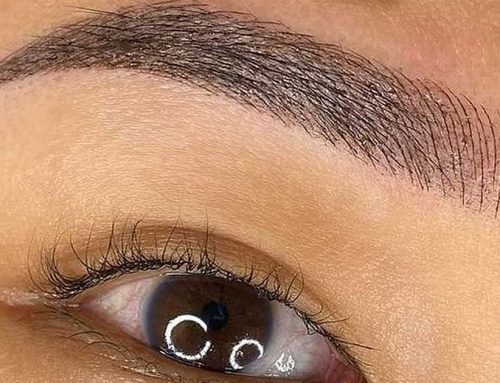
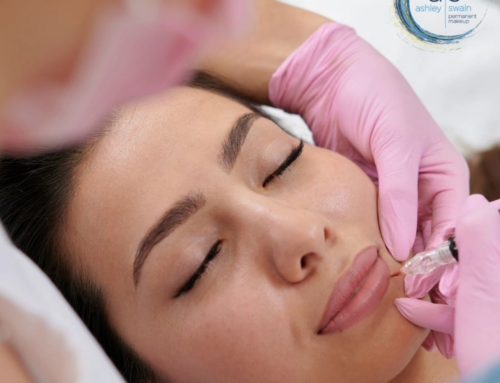
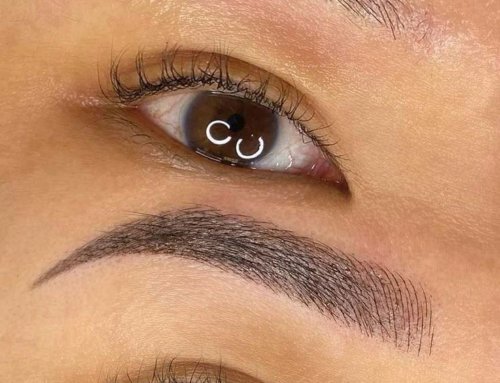
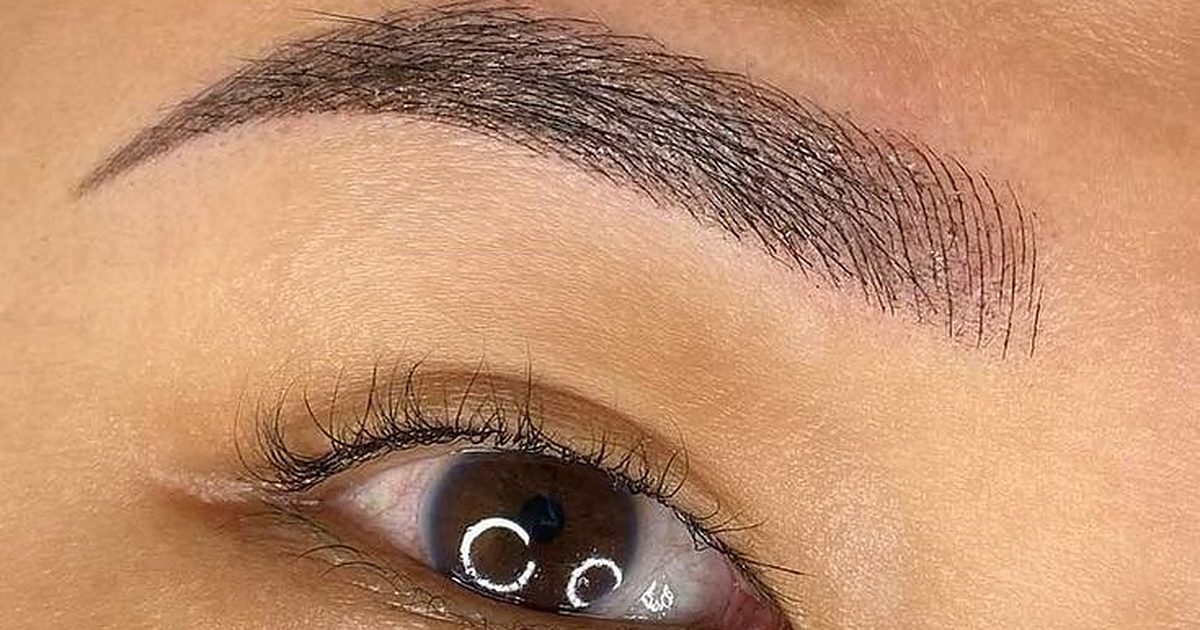
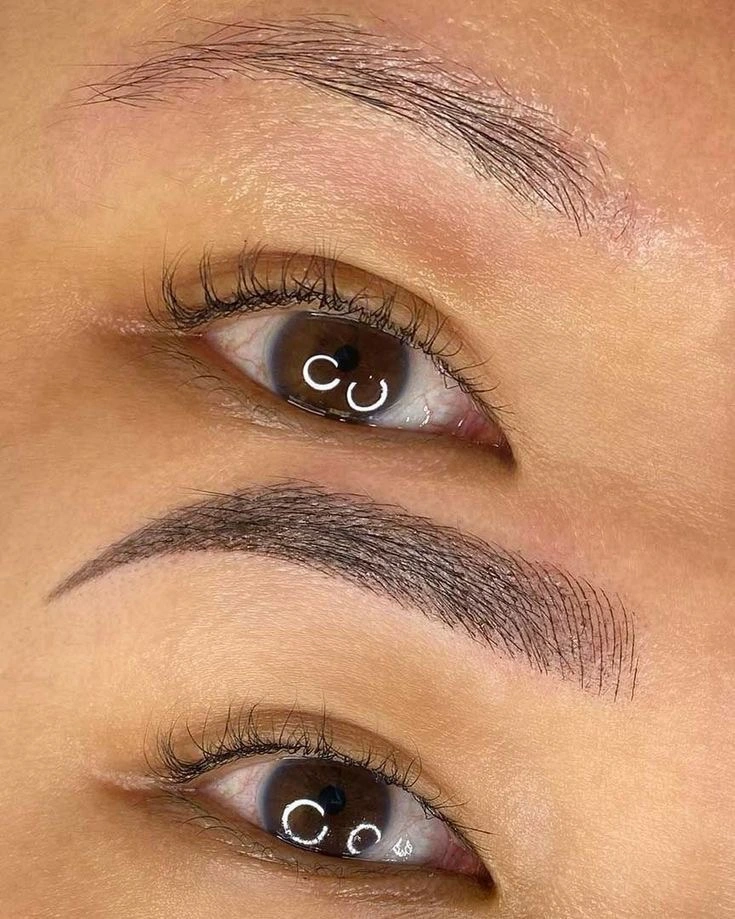
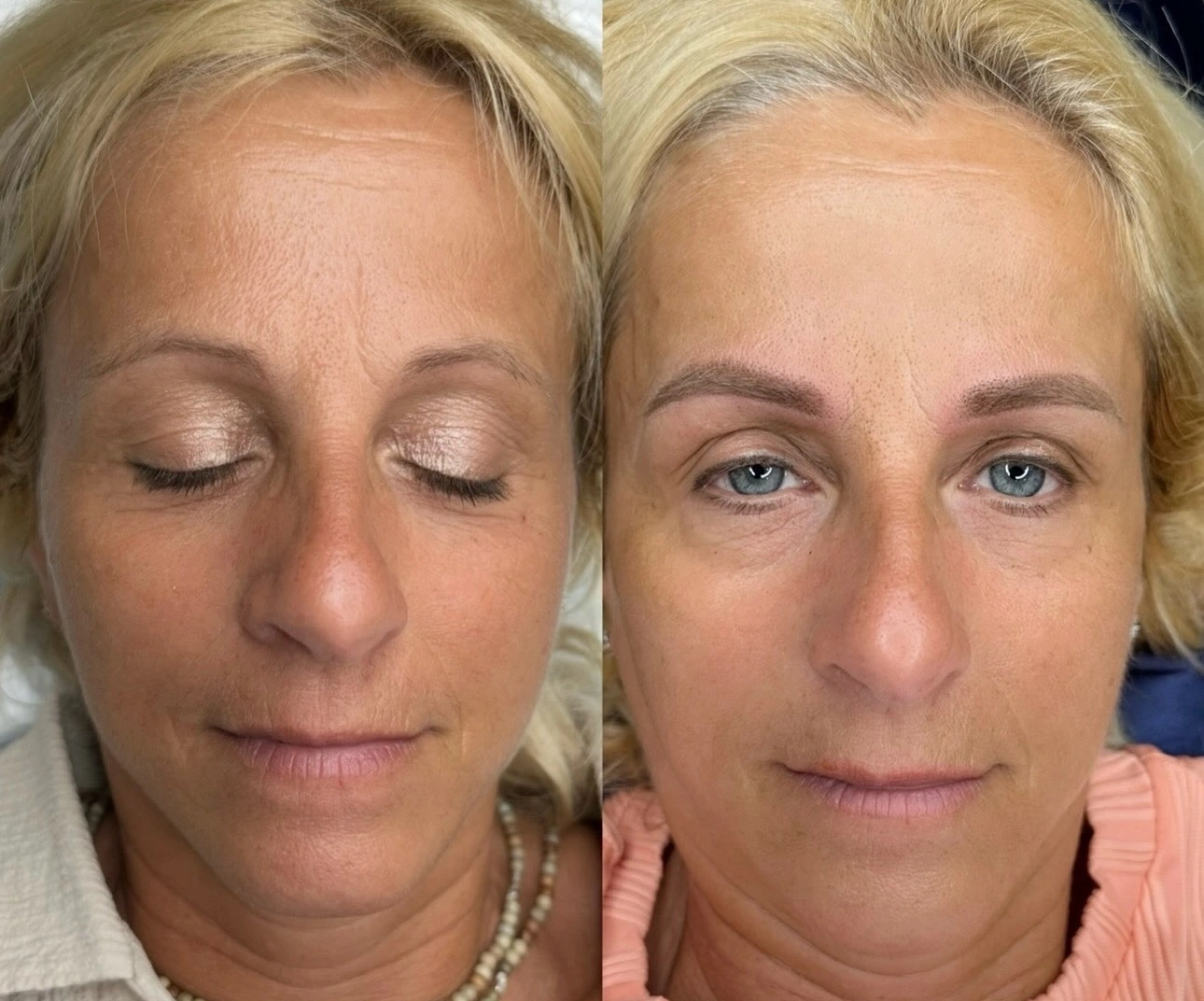
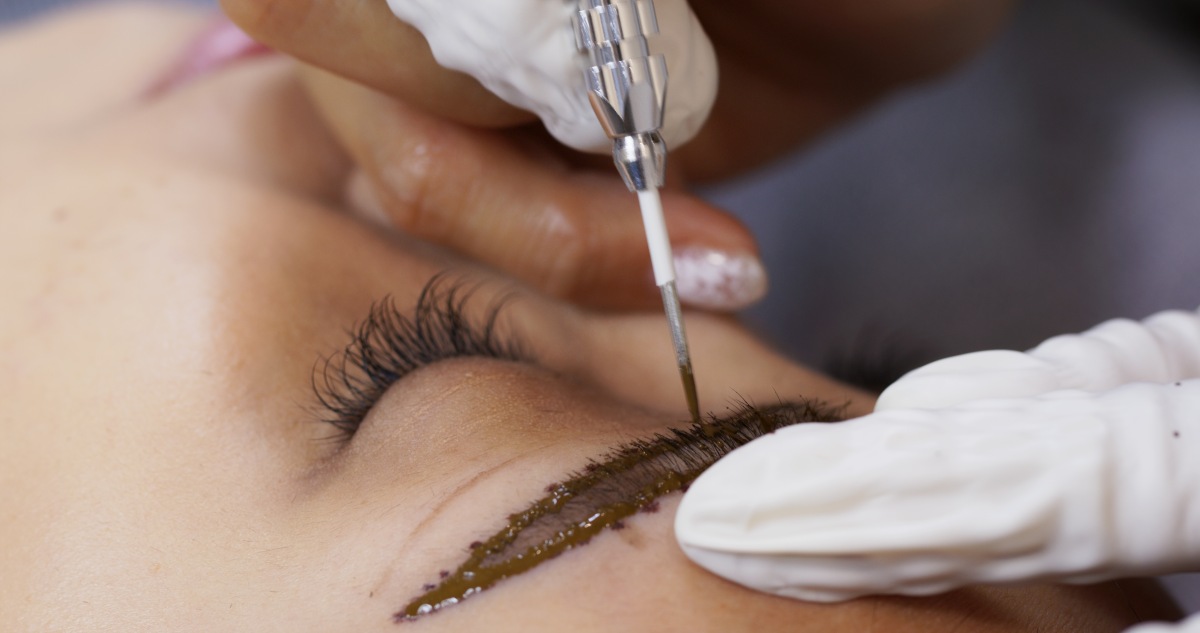
Each area of the face comes with its own set of challenges. Brows that healed patchy or off-shape can often be remapped and color-adjusted without needing to start completely over. Lip blushing that has turned an odd shade can frequently be neutralized before a new tone is layered in. Eyeliner is the one that calls for the steadiest hand and the most conservative approach, given how thin and sensitive eyelid skin is. The common thread in all of it is this: correction is not about throwing more pigment at the problem. It is about restoring something that actually looks like it belongs on your face.
When Lightening or Removal Needs to Come First
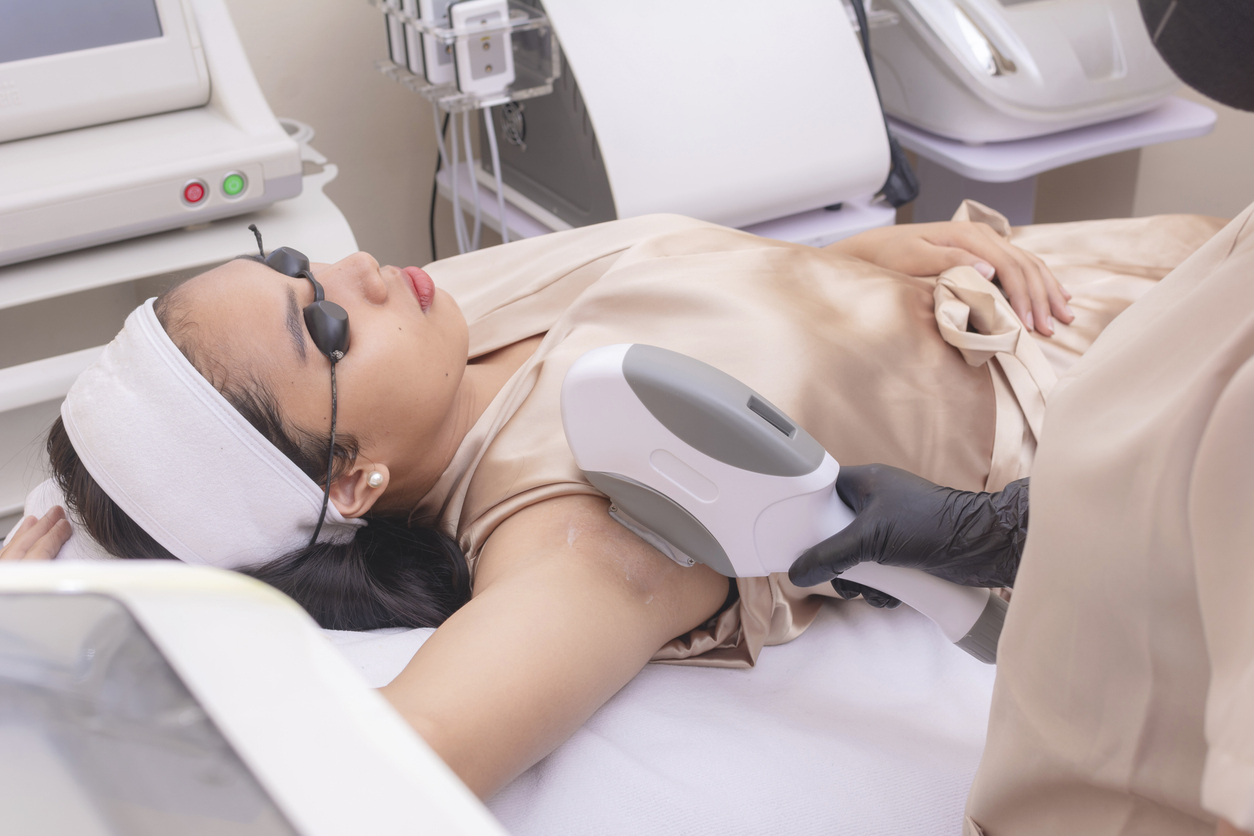
There is a version of correction that gets skipped over too often, and that is the honest conversation about whether working directly over existing pigment is actually going to help. Sometimes it is not. Pigment that has traveled outside its original boundary, pigment that has shifted to a color that cannot be neutralized effectively, or work that was placed too deep in the skin, these situations usually need some form of lightening before redesign can begin.
Color correction without removal can absolutely work, but only when the underlying shape is still something you can use and the issue is really about tone. Brows that have gone grayish or pulled too warm are a classic example. With the right pigment choices, that kind of shift can be brought back into a more flattering range. Scar camouflage and areola restoration are different situations entirely. The skin in those areas has its own unique texture and sensitivity, and that has to be accounted for before any corrective tattooing happens.
If removal is part of what needs to happen, the timeline extends and patience becomes genuinely important. Skin that gets pushed too hard between sessions does not heal the way it should, and poor healing closes off options you might have had otherwise. A clear plan laid out from the start, with an honest session count and realistic expectations, is the only way to go into this process without setting yourself up for more disappointment.
Rebuilding Trust Through Expert Revision Work
Something that does not get talked about enough is the emotional weight that people carry when they come in for corrective work. This is not like returning a shirt that did not fit. Permanent makeup lives on your face. A bad experience can genuinely knock your confidence, make you self-conscious in social situations, and leave you hesitant to trust anyone with it again. Walking into a consultation after all that takes courage, and a good practitioner understands that.
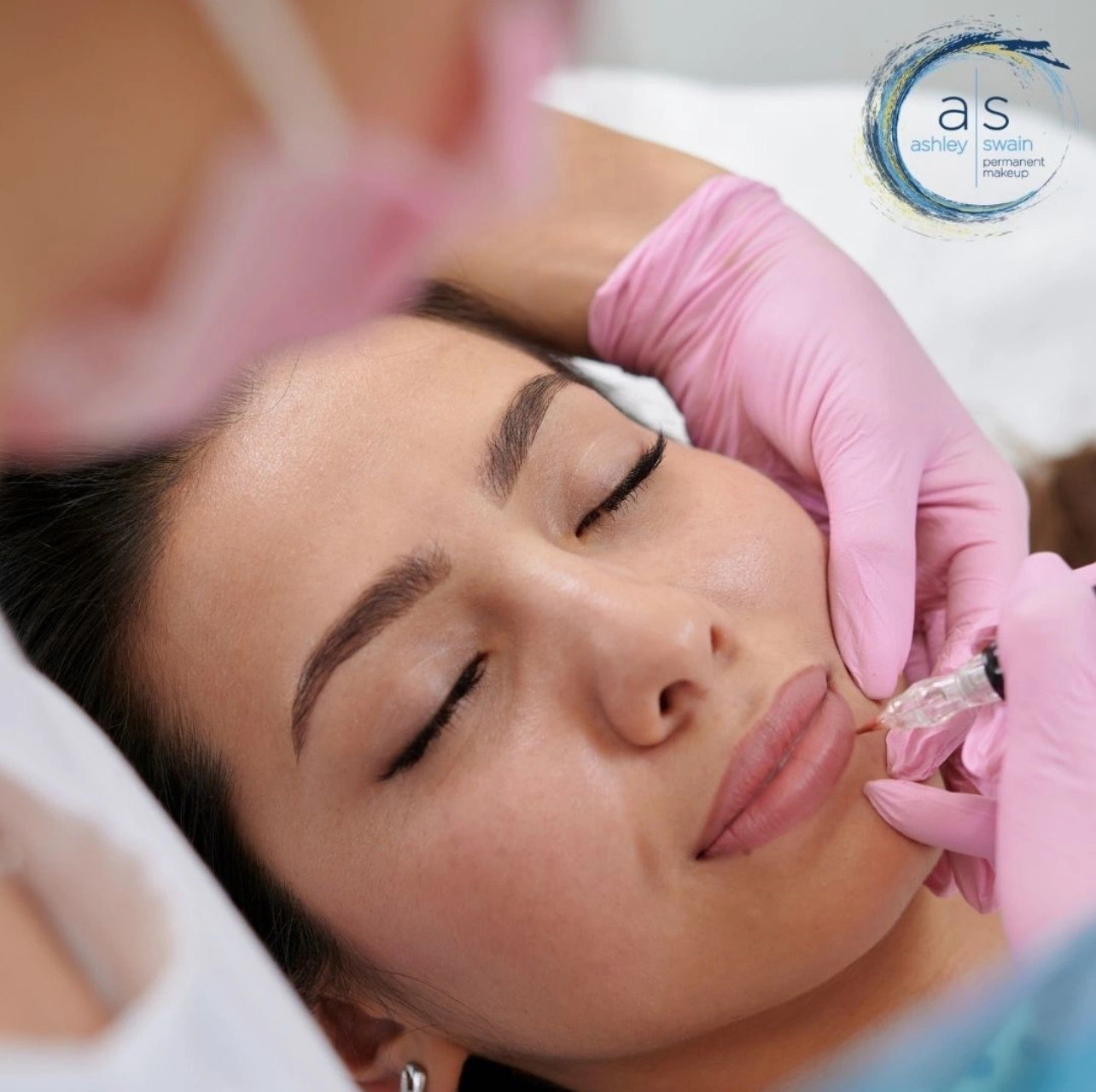
The technical side of revision work is demanding in ways that original permanent makeup simply is not. You are not working on a blank canvas. You are working around something that is already there, trying to coax it in a better direction without making things worse. Layering pigment precisely, reshaping edges without adding bulk, blending in a way that softens rather than intensifies, all of it requires a level of skill and experience that not every permanent makeup artist has. It is a specialty within a specialty. In some cases, getting the skin prepped with microneedling or a rejuvenating treatment first makes the corrective work more effective and sets up better healing overall.
Follow-up visits are not a sign that something went wrong. They are just part of how corrective work functions. Healing reveals things you cannot fully predict in advance, and minor refinements along the way are what get you to the final result. Progress is tracked carefully at each visit, and adjustments are made based on what the skin is actually showing rather than what the plan originally anticipated.
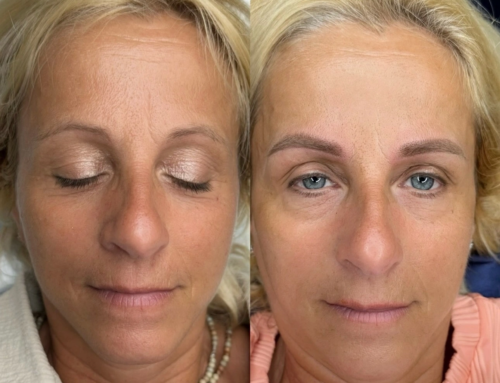
When it all comes together the way it should, the transformation is not just visual. Clients stop dreading the mirror. They stop scheduling their mornings around covering something up. That shift, from dreading your reflection to feeling at ease in it, is really what good corrective work delivers.
Frequently Asked Questions
How do I know if my previous permanent makeup can be corrected?
You cannot know for certain until someone who does this work regularly actually looks at it in person. Photos help, but they only tell part of the story. Pigment depth, how the skin has responded, whether there is any migration, the current color cast, all of that needs to be evaluated directly. After a proper consultation, you should walk out knowing exactly what your options are and what to expect from each one.
Will corrective procedures damage my skin?
In experienced hands, no. The whole point of proper corrective technique is to make things better without compromising the skin in the process. Sessions are spaced to allow real healing time in between, not just enough time to technically proceed. That said, this is exactly the kind of work where who does it matters enormously. Experience in correction specifically, not just general permanent makeup, makes a real difference in how your skin comes out on the other side.
How many sessions are typically needed for revision work?
Genuinely, it depends on what you are starting with. Straightforward cases with cooperative pigment can show a meaningful improvement in one or two visits. More complex situations, especially those involving heavy saturation, color that has shifted significantly, or pigment that sits deep in the skin, take longer. Your artist should give you a range at your first appointment based on what they actually see, not a generic answer that applies to everyone.
Can all colors be lightened or neutralized?
Most can be improved to some degree, though how much improvement is possible varies. Pigment that sits close to the surface and has faded to a manageable shade tends to respond well. Pigment that was implanted deeply or has taken on a complex mixed tone can be more stubborn. The personalized assessment at your consultation is what tells you which category your situation falls into and what realistic improvement looks like for you specifically.
What should I do before scheduling a correction appointment?
Stop doing anything to the area. No treatments, no trying to fade it yourself, nothing. If you have any documentation from your original appointment, the pigment brand used, the date it was done, any aftercare notes, pull that together. Your corrective artist will find it useful. And come to the consultation prepared to be honest about your history with the area. The more complete a picture they have, the better the plan they can put together for you