A tummy tuck, breast lift, or facelift reshapes your body, and the procedure often leaves a permanent mark. A line across your abdomen, around your breasts, or along your hairline can pull your focus every time you face the mirror. Scar camouflage after plastic surgery gives you a way to soften that line. At Ashley Swain Permanent Makeup & MedSpa in Palm Beach Gardens, our scar revision and camouflage work blends pale surgical scars into the skin around them. This page explains which scars the treatment covers, how the process works, and what results you can expect.
What Is Scar Camouflage After Plastic Surgery?
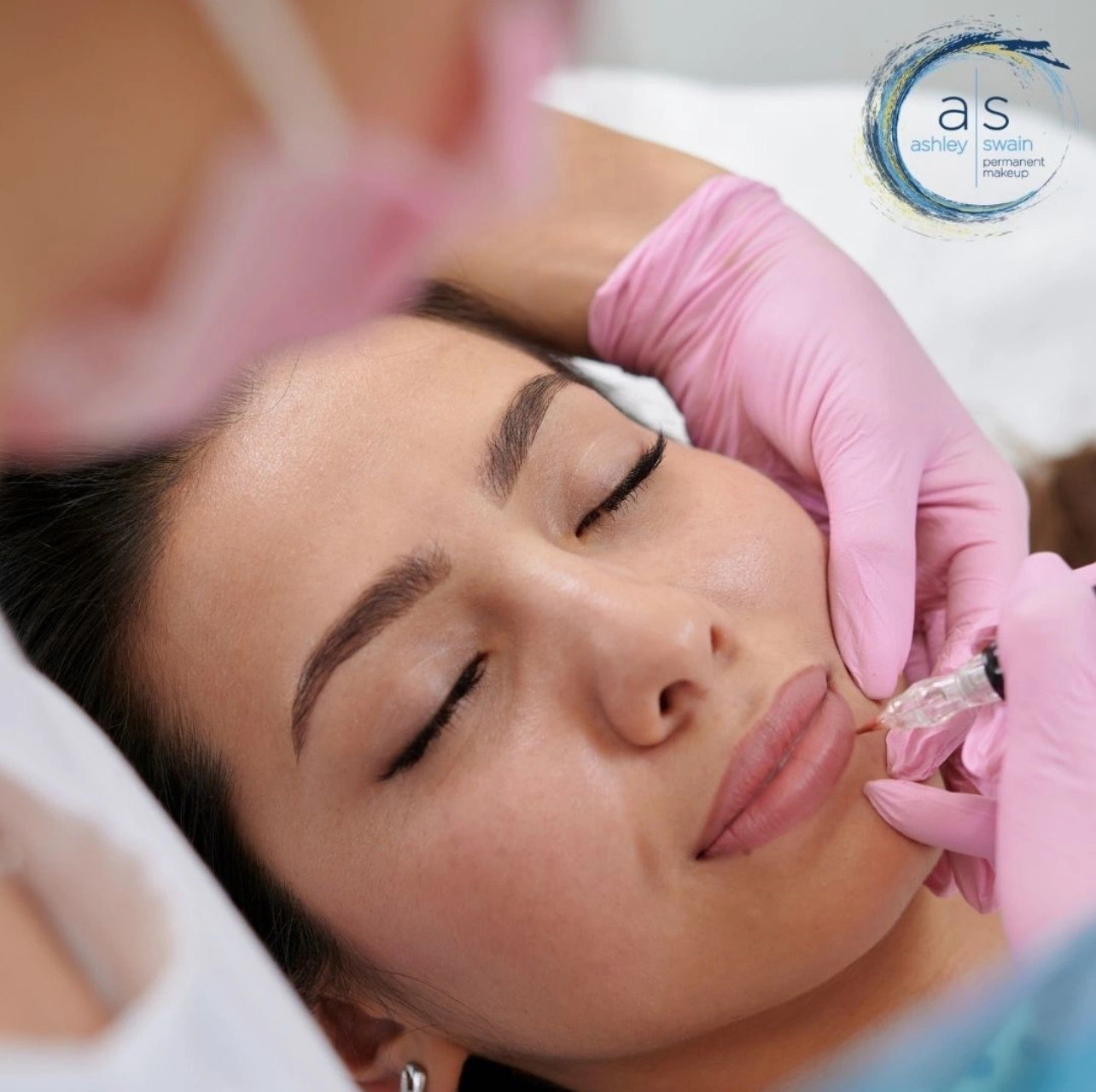
Scar camouflage is a paramedical tattoo, a form of cosmetic tattoo also called a scar camouflage tattoo or scar micropigmentation. A trained artist deposits custom-blended pigment into mature scar tissue. The matched tattoo ink reads as your natural skin tone and reduces the contrast between the scar and the surrounding skin. The goal differs from a traditional tattoo. The artist does not cover the area with art. Instead, the artist works to conceal the scar and make it less visible.
This technique is surgical scar camouflage, not scar removal. The scar tissue stays in place, and the visible color difference shrinks. A skilled paramedical tattooing artist places pigment into the damaged skin so the tone reads as one. Many clients find that a once-obvious line becomes hard to spot in normal light. The work demands color theory, artistry, and direct experience with scar tissue, because scarred skin holds pigment differently than healthy skin.
Which Surgical Scars Can Scar Camouflage Cover?
Most flat, fully healed surgical scars respond well to camouflage tattooing. Ashley Swain treats scars from a range of cosmetic and reconstructive procedures. The most common cases include:
- Tummy tuck and abdominoplasty scars — the long, low line across the lower abdomen
- C-section scars — the horizontal line above the pubic area
- Breast surgery scars — marks from breast augmentation, breast reduction, and breast lift
- Facelift scars — fine lines that follow the hairline and the area around the ears
The same camouflage tattooing also helps burn scars, stretch marks, and skin changes from trauma, though this page focuses on surgical scars.
Tummy Tuck and Abdominoplasty Scars
A tummy tuck leaves a horizontal scar across the lower stomach. Surgeons place this line low so clothing hides it, yet the scar can still show in swimwear or underwear. Tummy tuck scar camouflage blends the line into the surrounding skin. The same approach treats a C-section scar, which sits in a similar spot. An abdominoplasty scar tattoo works best once the line turns pale and flat.
Breast Surgery Scars
Breast procedures create predictable scar patterns. Breast augmentation can leave a scar under the breast fold or near the areola. A breast lift or reduction often leaves an anchor-shaped scar. Breast surgery scar camouflage softens these lines and helps the skin read as one even tone. Breast augmentation scar camouflage suits clients who want a smoother look in low-cut tops and swimwear.
Facelift Scars
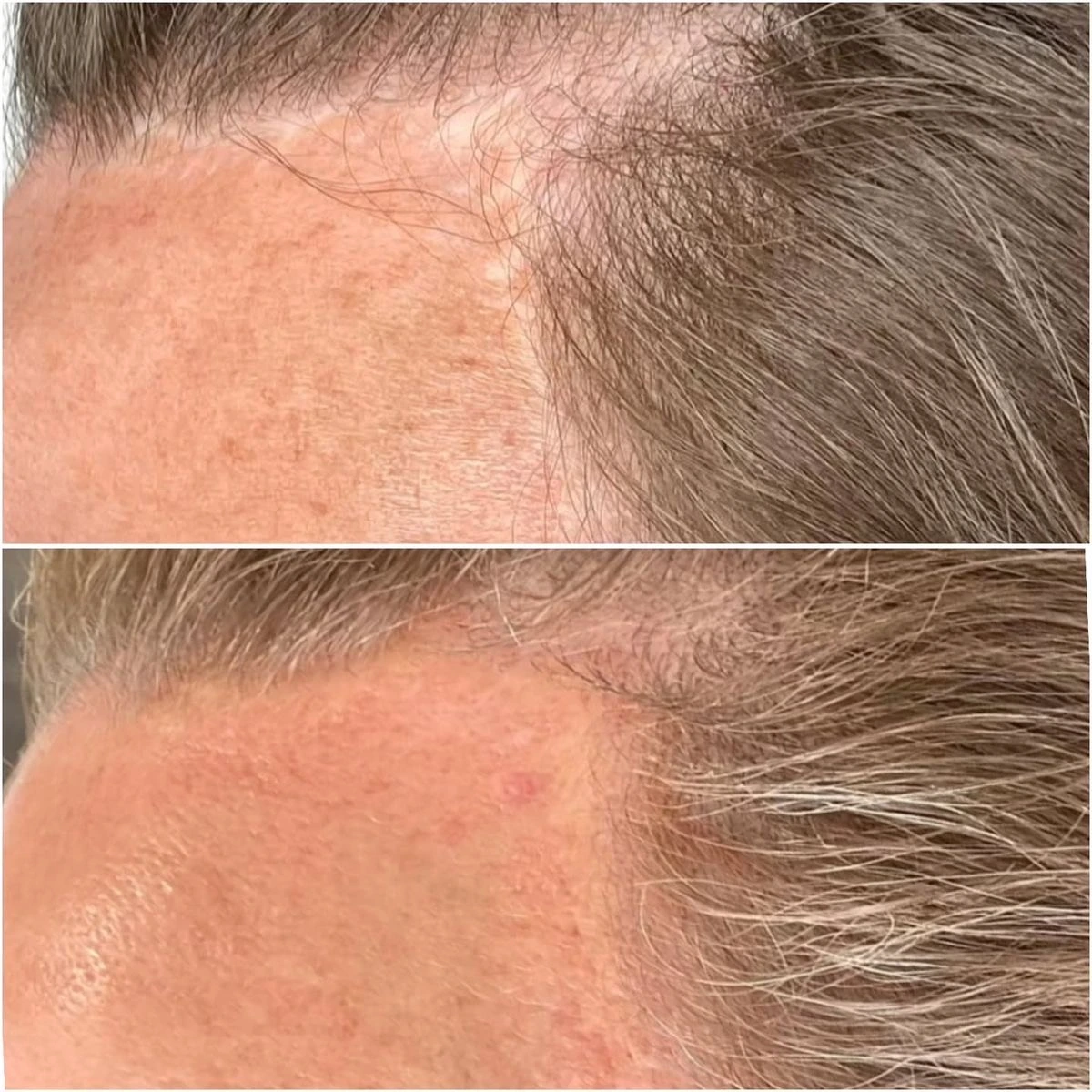
A facelift, also written face lift, hides incisions near the hairline and behind the ears, but thin pale lines can still appear. Facelift scar camouflage matches pigment to your skin color and reduces the contrast. Facial skin is delicate, so this work calls for a light hand and precise color selection.
How the Scar Camouflage Process Works
Your treatment starts with a consultation. The artist will assess your scar, your skin type, and your goals, then build a plan. Here is what the process looks like:
- Consultation and color match. The artist evaluates the scar and mixes pigment to match your skin. Several tones may layer together for a realistic blend.
- Patch test. A small test confirms how your skin accepts the pigment.
- Pigment application. Fine needles place pigment into the scar tissue in thin layers, which helps color retention stay even.
- Healing. The treated area heals over one to two weeks. Light flaking is normal.
- Touch-up and follow-up sessions. Most scars need more than one visit to build color and refine the blend.
Most clients feel only mild discomfort during the session, eased by a numbing cream. You will receive aftercare instructions to guide the healing process. Darker scars that sit raised or hyperpigmented may need a lightening serum or inkless dry needling first. These inkless steps break up tough tissue and even the tone before the final pigment goes in.
Scar Camouflage vs. Surgical Scar Revision
Surgical scar revision cuts out and re-closes a scar to change its shape. It is an operation, so it carries stitches and downtime, and it can leave a new mark. Scar camouflage takes a different path. This non-invasive cosmetic procedure adds matched pigment to blend the existing scar, with no incision and a short recovery. Camouflage suits flat, pale scars that bother you by color rather than texture.
When Is Your Scar Ready for Camouflage?
Timing decides the quality of your result. Scar camouflage works best on a mature, fully healed scar. A fresh, red, or raised scar can still change, so pigment placed too early may shift. Wait for these signs before you book:
- Your surgery was at least one year (12 months) ago
- The scar is fully healed, closed, and flat
- The redness has faded to a pale or white tone
- No active irritation or open areas remain
Your skin matters too. During the consultation, the artist will assess your skin color to plan the match. Some conditions affect whether you are a good candidate. Active autoimmune flares, vitiligo, or skin still healing from a topical treatment may mean you wait. Your surgeon knows your timeline, so ask whether your scar has matured. Ashley Swain also reviews each scar in person to lower the risk of infection and protect color retention.
What Results Can You Expect?
Scar camouflage reduces how much a scar stands out. It does not erase the scar. Results are semi-permanent, so the pigment can soften over time and may need a refresh. Sun exposure speeds fading, so sunscreen protects your color. The matched skin tone evens out discoloration, helps minimize the visibility of the line, and blends the scar more seamlessly with healthy skin. Layered pigment can create an illusion of unbroken skin and help disguise where the scar sits.
Results vary by scar and skin type. A pale, flat scar on even-toned skin gives the cleanest blend. Darker scars may need more sessions and a slower plan. A consultation sets realistic expectations and gives you a treatment plan with a session estimate before you commit.
Scar Camouflage in Palm Beach Gardens and Beyond
Ashley Swain specializes in paramedical tattooing and treats every case with artistry and a compassionate approach in a calm, sterile clinic in Palm Beach Gardens. The team serves clients across South Florida, including:
- North Palm Beach and Palm Beach
- West Palm Beach and Wellington
- Boca Raton
- Jupiter, Juno Beach, and Tequesta
- Royal Palm Beach
Scars can mark resilience, and the right tattooing technique helps clients improve their appearance and feel at ease. Ashley Swain also restores the areola after mastectomy and breast reconstruction, so ask about areola restoration during your visit.
Ready to Cover Your Surgical Scar?
You do not have to live with a scar that draws every glance. Scar camouflage after plastic surgery can blend that line and help you feel like yourself again. Book a free consultation with Ashley Swain Permanent Makeup & MedSpa to learn whether your scar is ready and what your results could look like. Call 561-295-8481 today, and let the team in Palm Beach Gardens help you cover your surgical scar with confidence.