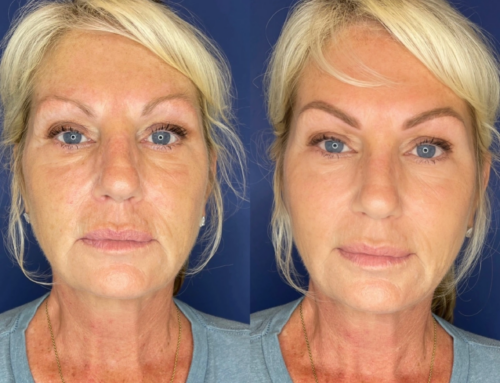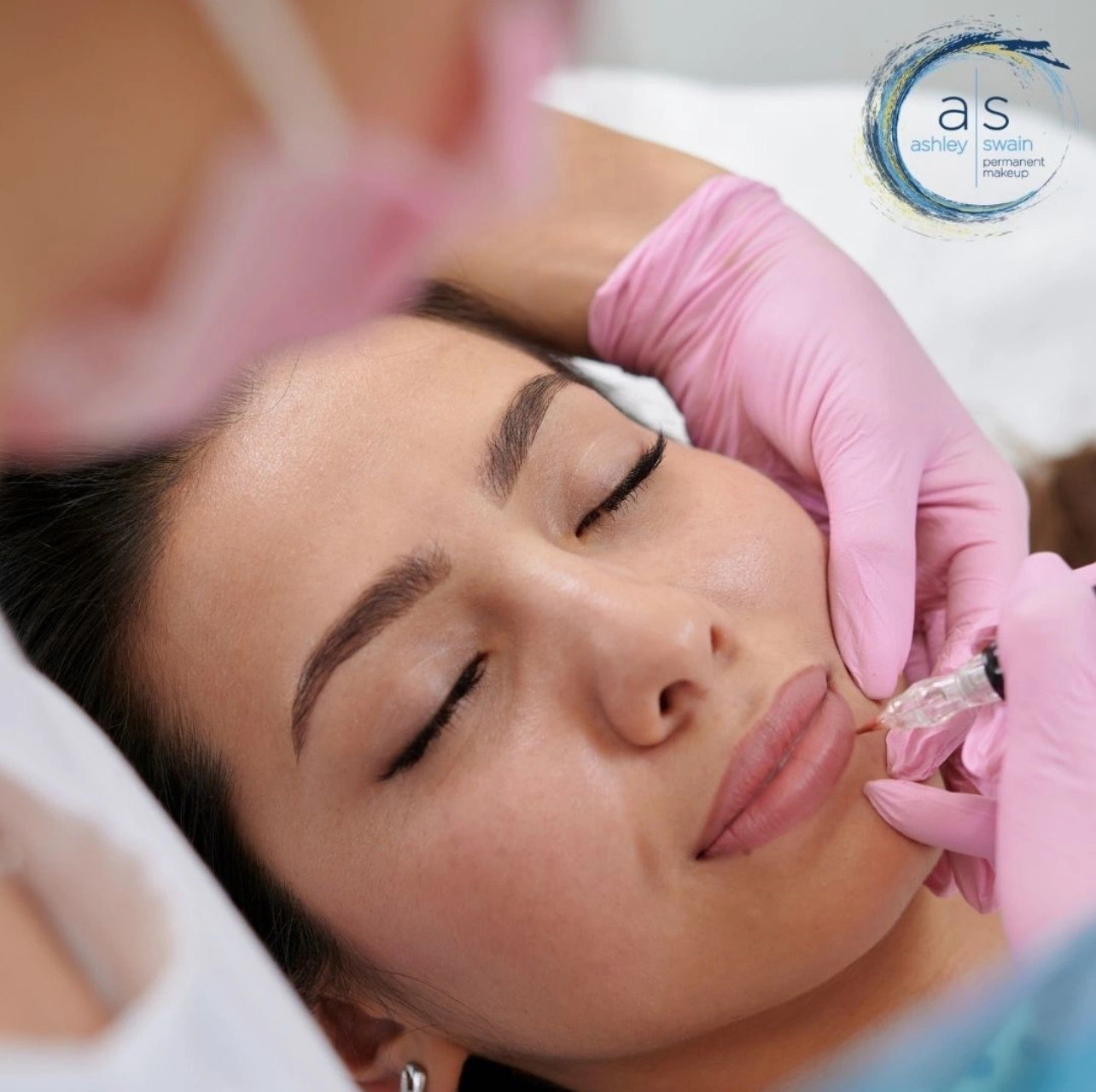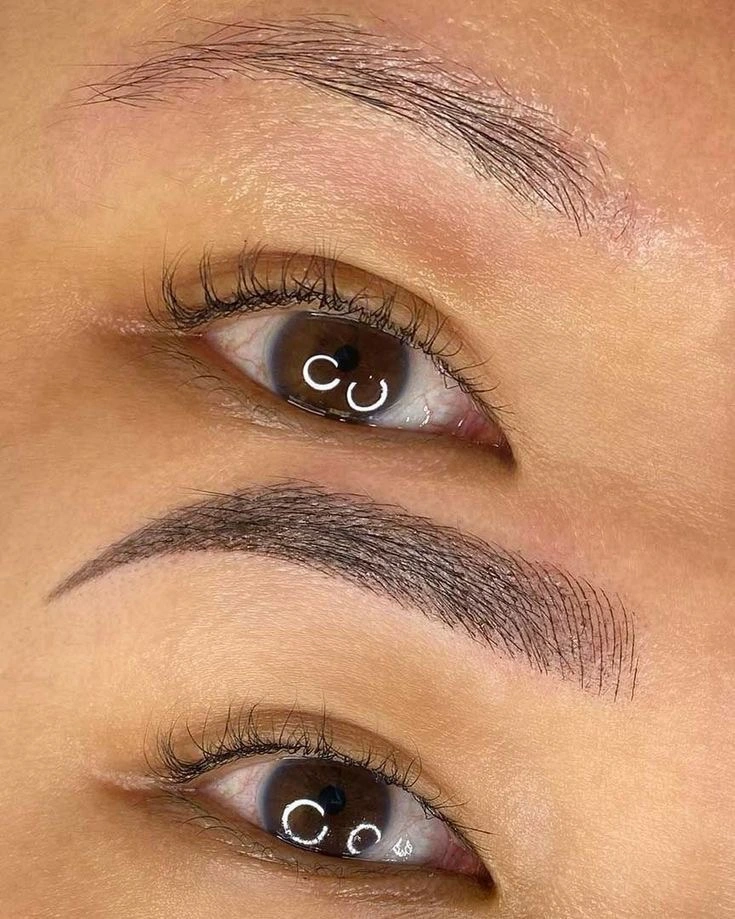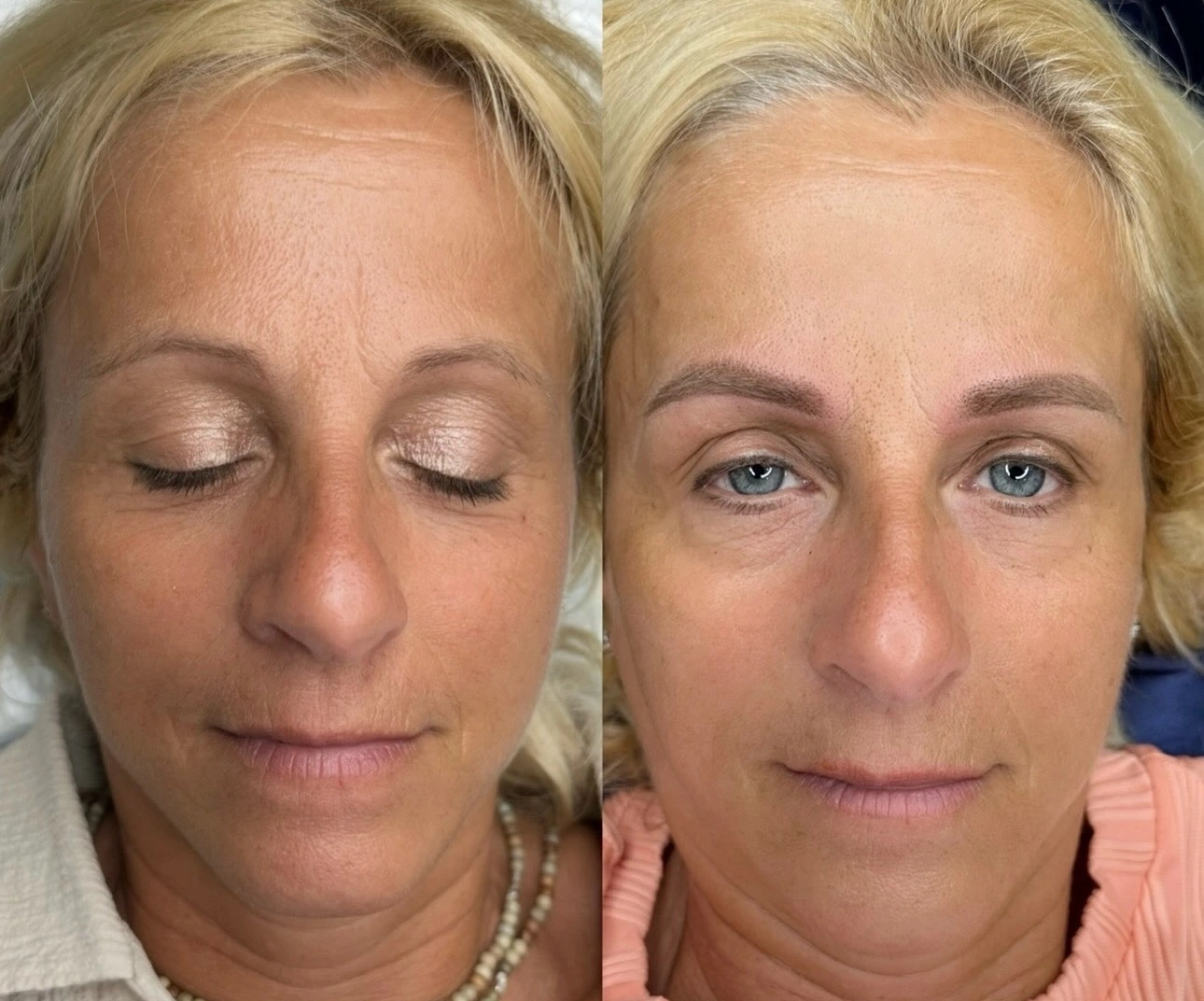
Numbing makes permanent makeup manageable. It does not make it feel like nothing. Most clients feel scratching or pressure instead of pain, and microblading does it hurt is the question almost everyone asks first. Here is what to expect at a first permanent makeup appointment, including how long it takes and how to prepare.
Does the permanent makeup procedure hurt?
Yes, a little. Anyone telling you that a cosmetic tattooing procedure feels like nothing is not being straight with you. What numbing does is make it as comfortable as possible for most people, which is a different claim and a true one.
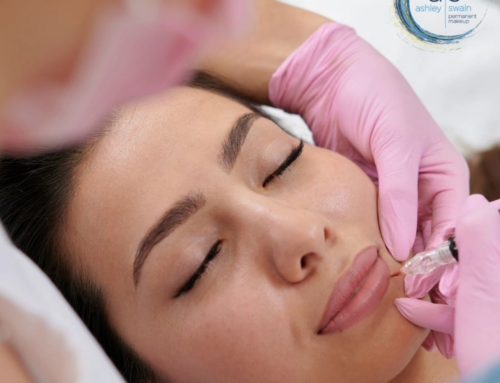
Topical numbing cream is applied before your permanent makeup session starts. A second anesthetic goes on once the skin is open, working faster and deeper than the first. Numbing is reapplied throughout.
Most clients say three or four out of ten. Pain levels vary by service and by person. The common description is repeated scratching, or pressure, rather than sharp pain. Many clients find the sound more surprising than the sensation. The blade makes a faint crunching noise close to your ear, and knowing that in advance takes most of the alarm out of it.
Pain tolerance varies between people, and pain levels for brows sit lower than for lips. Where you are in your cycle affects sensitivity, and many clients avoid booking just before a period. Caffeine raises sensitivity too, and thins your blood, which is why it appears in the preparation list below.
Expect some discomfort, and expect it to be manageable. The first ten minutes are the worst, since the initial pass happens before the second anesthetic goes on.
Eyebrows
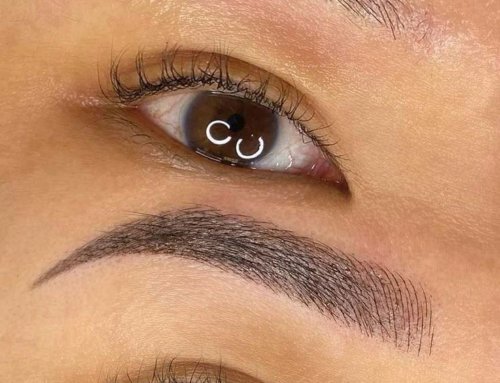
The most tolerated of the three. The treated area sits over bone with few nerve endings, and numbing works well there. Hair-like strokes are placed one at a time, which sounds worse than it feels. Most clients rate permanent eyebrows as the easiest permanent makeup appointment they have had. A few fall asleep. Most find it dull once the first few minutes pass, which is the outcome you want.
Eyeliner
The one people fear most, and rarely the one they find worst. The lid is sensitive, and a needle near your eye is uncomfortable to sit with beforehand. Almost every client who dreads this says afterwards that the anticipation was worse than the appointment. Permanent eyeliner does it hurt sits high in search volume for that reason.
In practice numbing works well on the lash line. The common description is a light vibration or tickling rather than pain, and your eyes stay closed throughout. Does permanent eyeliner hurt? Less than almost anyone expects. Sessions for permanent eyeliner do produce more watering than the other two, and that is your eyes reacting rather than a sign of anything wrong.
Lips
Generally the most uncomfortable of the three, and worth saying plainly.
Lips carry more nerve endings than brows or lids, and the whole lip is worked rather than a narrow line. Numbing works well, but most people report more sensation here, often a stinging feeling as pigment goes on.
Lips also swell more than the other two areas. It settles within a day or two. So does lip blushing hurt more than the other two? Usually, yes. But lip blushing is still well tolerated by the large majority of clients. It just asks more of you than a brow appointment does.
How long does the appointment take?
How long does microblading take? Two and a half to three hours for a first appointment. That number surprises people, so here is where it goes. Microblading how long does it take is one of the most searched questions in the category, and almost every answer gives a single figure without saying what it covers.
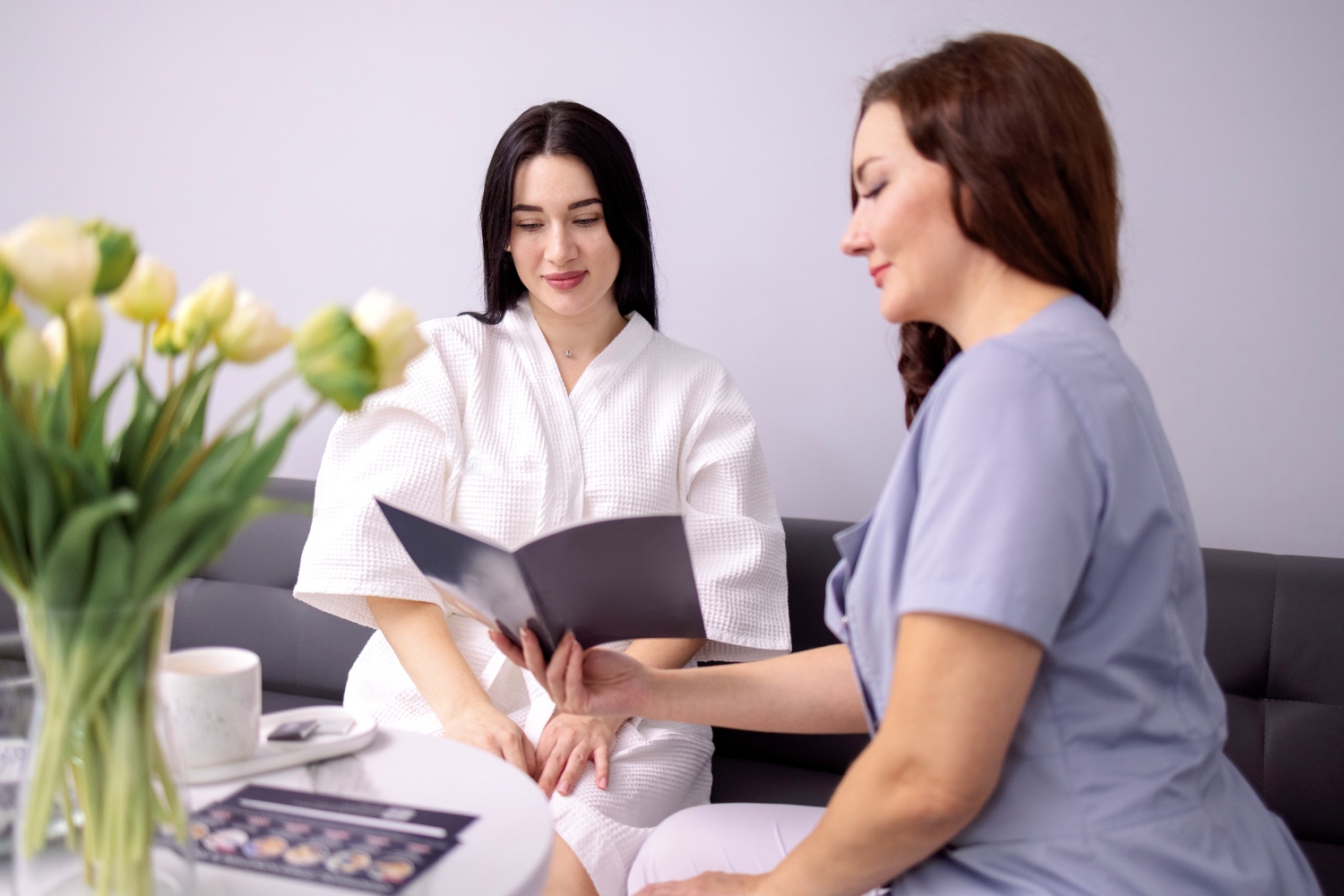
Consultation, photographs and mapping, forty-five to sixty minutes. Discussing what you want, reviewing your history, taking before photographs, then measuring your features and drawing the proposed shape on your skin.
Color selection, ten to fifteen minutes. Matching pigment against your skin and, for lips, against your natural lip color.
Numbing, twenty to thirty minutes. Waiting for the topical anesthetic to work. Nothing happens during this time except waiting.
The procedure itself, sixty to ninety minutes. The actual needle work, done in passes with numbing reapplied between them. How long does microblading take to do, measured as blade time alone? Around an hour and a half at the top end.
Aftercare briefing and final photographs, fifteen minutes.
So the needle work is roughly half the appointment. The rest is talking, measuring and waiting. Budget the morning or the afternoon rather than squeezing this between commitments.
Your first permanent makeup appointment, step by step
You arrive and sit down for a conversation. Your artist asks what you want, what you have had done before, and reviews your medical history and skin type. Photographs are taken.
Then mapping. Your artist measures your features and draws the proposed shape onto your skin, adjusting until it sits right against your bone structure.
Nothing begins until you have seen that shape in a mirror and agreed to it. Most people do not know this step exists, and it answers the real fear. You are not handing over your face and hoping. You look, you say what you want changed, and it changes before any pigment goes anywhere.
Color and shape come next, selected against your skin in proper light rather than from a chart. Realistic expectations get set here too, so you know what the healed result will look like.
Then numbing, then the procedure. Your artist deposits pigment in passes, completing a layer, reapplying numbing, checking the shape, and going again. Breaks happen whenever you need one.
At the end you get aftercare instructions, written as well as spoken, and final photographs. Ask anything you did not think of earlier. This is the point where most people realise they had questions about the next two weeks rather than about the appointment.
How to prepare in the week before your appointment
[VERIFY BEFORE PUBLISHING] Every item in this section came from competitor sources. Check each one against Ashley’s own pre-care sheet and delete or correct anything that does not match. Publishing another practice’s pre-care as though it were this practice’s is the risk here.
Preparation matters more than people expect, and some restrictions start weeks ahead.
Two months ahead. Chemical peels and laser treatments over the area, sixty days either side of your appointment.
Several weeks ahead. Lash growth serums stopped well in advance of an eyeliner appointment. Some sources say three months.
Two weeks either side. Botox and fillers near the treatment area.
One week ahead. Retinol and strong exfoliants discontinued. Avoid booking within a week of a beach holiday, since sunburned or freshly tanned skin cannot be worked on.
The day before. No alcohol. Go easy on caffeine. Anything that thins your blood increases bleeding during the procedure, and that affects pigment retention. Your artist will tell you what to avoid.
Arrive with the treated area clean and come as yourself. Light makeup is fine and actually helps, since it shows your artist how you normally wear the feature.
What to expect straight afterwards
There is no real downtime. You can drive yourself home and carry on with your day.
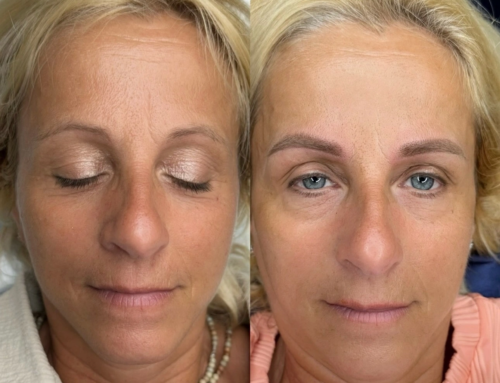
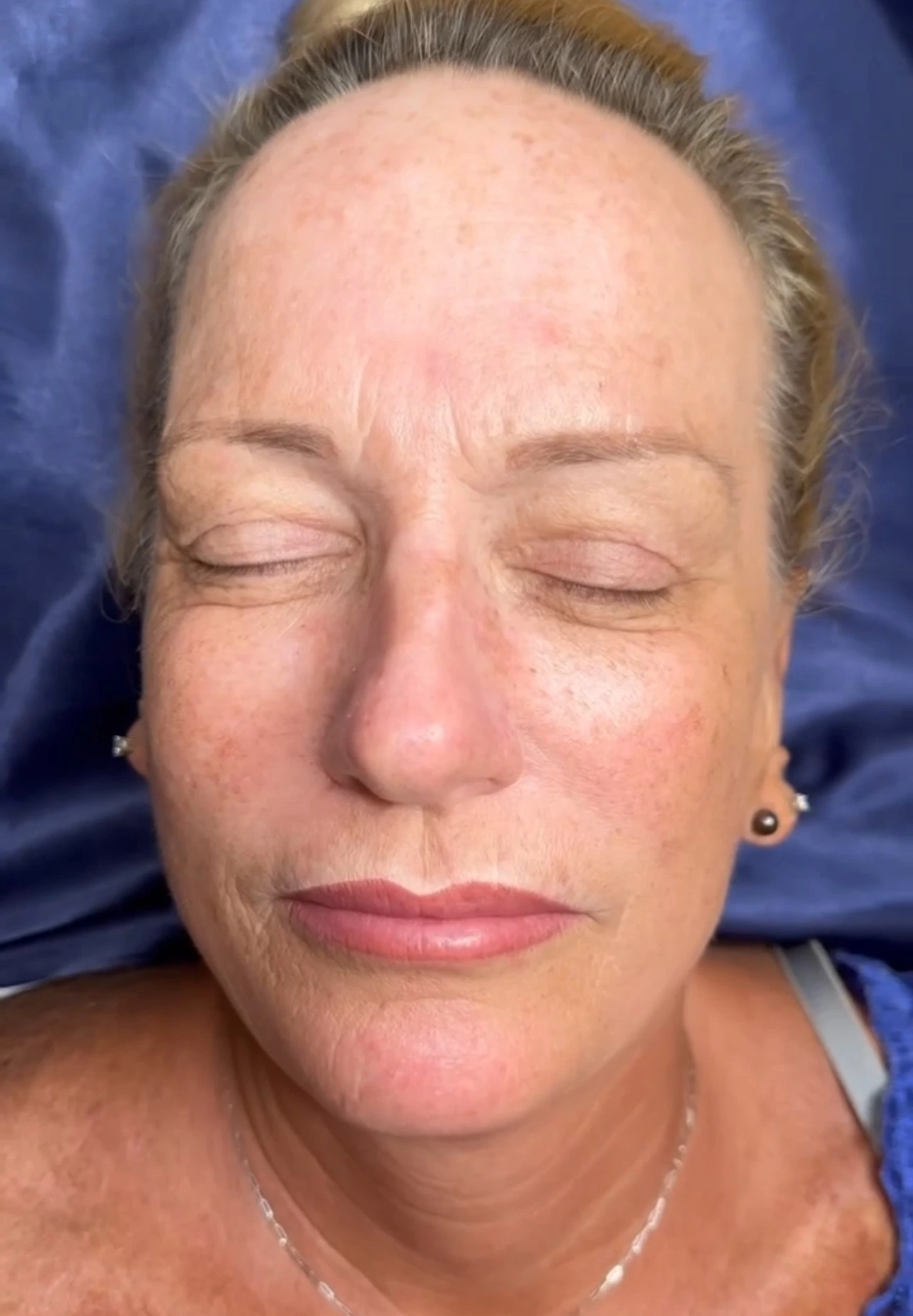
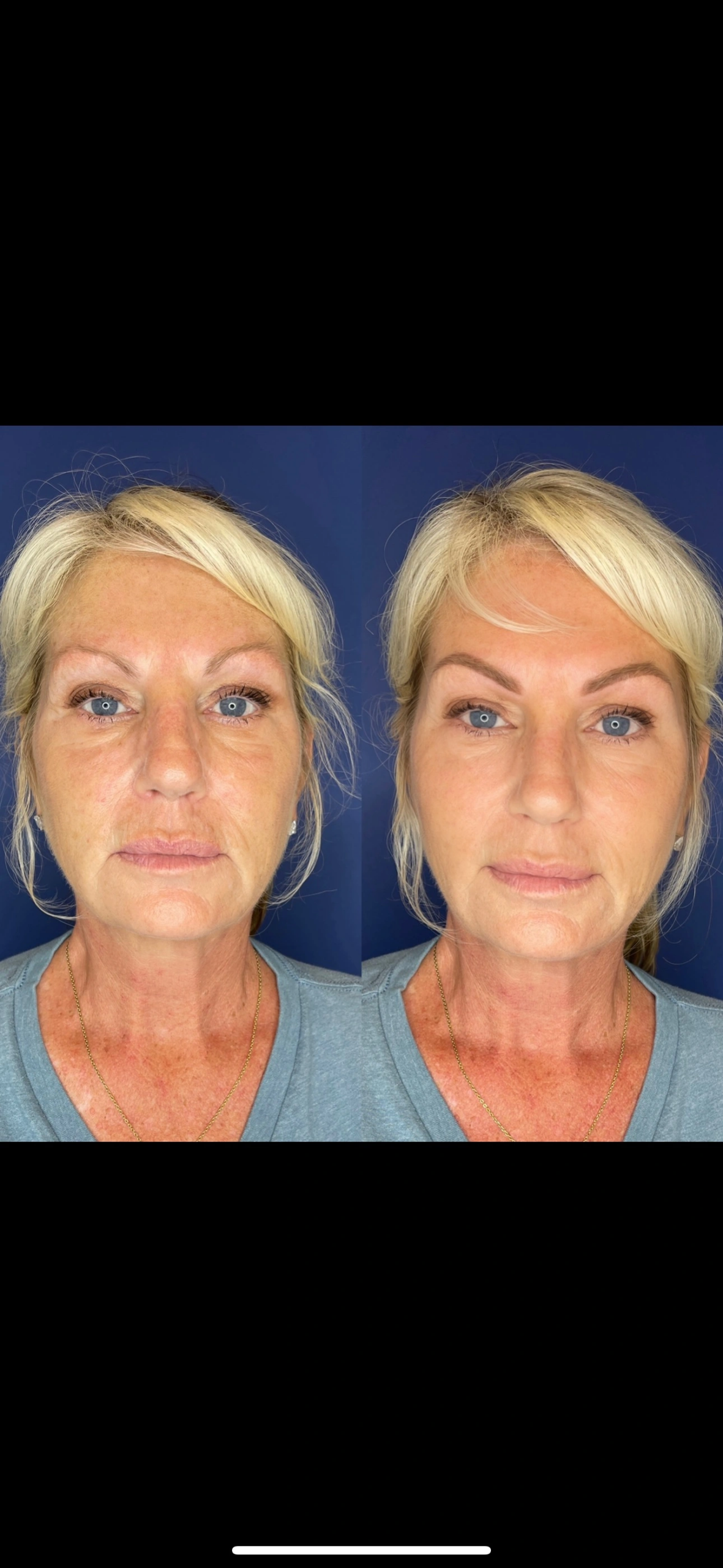
What you will notice is that the treated area may appear darker, bolder and sharper than the shape you agreed to. That is normal and temporary, and part of the healing process. Brows in particular look considerably stronger for the first few days.
The microblading aftercare timeline covers what happens over the following two weeks, including the point around day seven where the color drops away and comes back.
Who is not a candidate
[VERIFY BEFORE PUBLISHING] Same instruction as above. Match this list to the practice’s own contraindications.
Some people are not suitable, either permanently or for now. Pregnancy and breastfeeding. Recent Accutane use. Active skin conditions over the site, including eczema, psoriasis or breakouts. Sunburned skin. Certain autoimmune and bleeding conditions. Some medications.
This is not a complete list, and suitability is confirmed at your consultation rather than from a webpage. If you are unsure whether something applies, mention it when you book.
Frequently asked questions
Can I take a painkiller beforehand?
Ask your artist beforehand. Some common over the counter painkillers thin the blood, which causes bleeding and affects pigment retention. Your pre-care instructions cover which are fine, and that guidance is specific to you.
Can I drive myself home?
Yes. There is no sedation and nothing that affects your ability to drive.
Can I go back to work the same day?
Most people do. The treated area looks darker than the final result for the first few days, so plan around it if that matters for your work.
Will my eyes be swollen after eyeliner?
Mild puffiness for a day or two is common, more so on the lower lash line. It settles quickly, and most people find it less noticeable than expected.
Can I wear makeup to the appointment?
Yes, and light makeup helps. It shows your artist how you normally wear your brows or lips. The area is cleansed before any work starts.
What if I do not like the shape we map out?
You say so and it changes. Mapping exists so you approve the shape before anything permanent happens. Adjust it as many times as you need. This is the only point at which changing it is free.
Is the touch up appointment as long as the first?
No, roughly half the time. Less mapping is needed at a touch-up and the shape is already established.
Can I have it done if I am pregnant or breastfeeding?
No. Both are standard reasons to postpone. It is not a permanent no, just a wait.
Booking your appointment
Book your consultation and the specifics get answered against your own features, skin type and history. Ashley will guide you through every step on the day.
You will leave knowing what the appointment involves, how long yours takes, and what your skin needs beforehand.