Nano Brows vs Microblading: Which Is Right for Your Eyebrows?
Here is the short answer to nano brows vs microblading: both aim for the same look, but they use different tools, and your skin decides which one holds up better. Microblading cuts fine strokes into the skin with a handheld manual blade. Nano brows place similar strokes with a single ultra-fine needle on a digital tattoo machine. Both are types of permanent eyebrows, both create hair-like strokes that read as real hair, and both fade over time. The real difference is how each one behaves in your skin after it heals.
At Ashley Swain Permanent Makeup & Medspa in Palm Beach Gardens, clients ask this at almost every brow consultation. It is the most common PMU question the studio hears. Here is an honest comparison, with no sales pitch.
What nano brows are
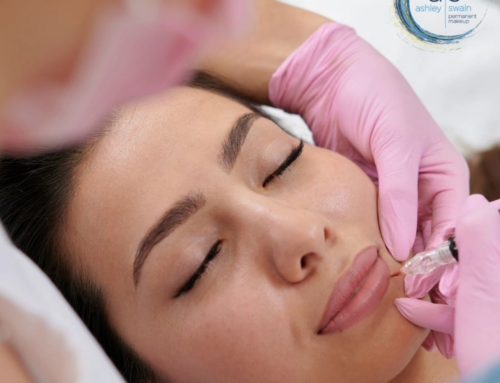
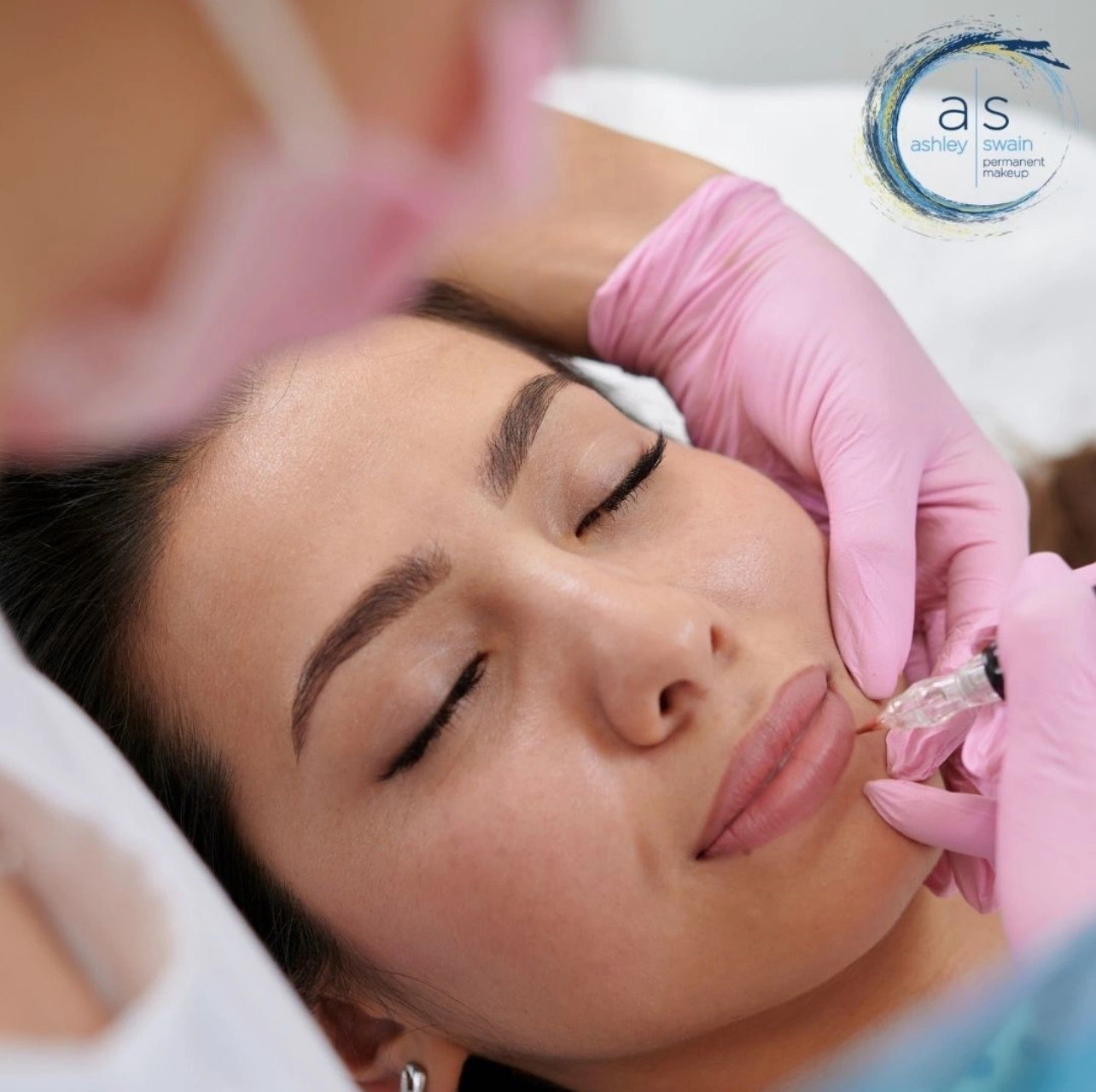
Nano brows, also written nanobrows, use a digital machine with one ultra-fine needle to create each line. Nano brows use a machine, and microblading does not. The needle moves at a set speed and depth while the artist guides it across the brow, drawing one nano hair stroke at a time. The device controls the depth instead of hand pressure, so each line stays shallow and even from start to finish.
You may also hear the name nanoblading. That name is misleading, because no blade is involved. Each line is a row of tiny punctures, placed so close together that they look like a single hair.
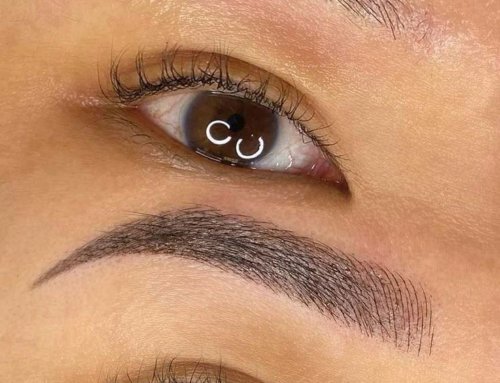
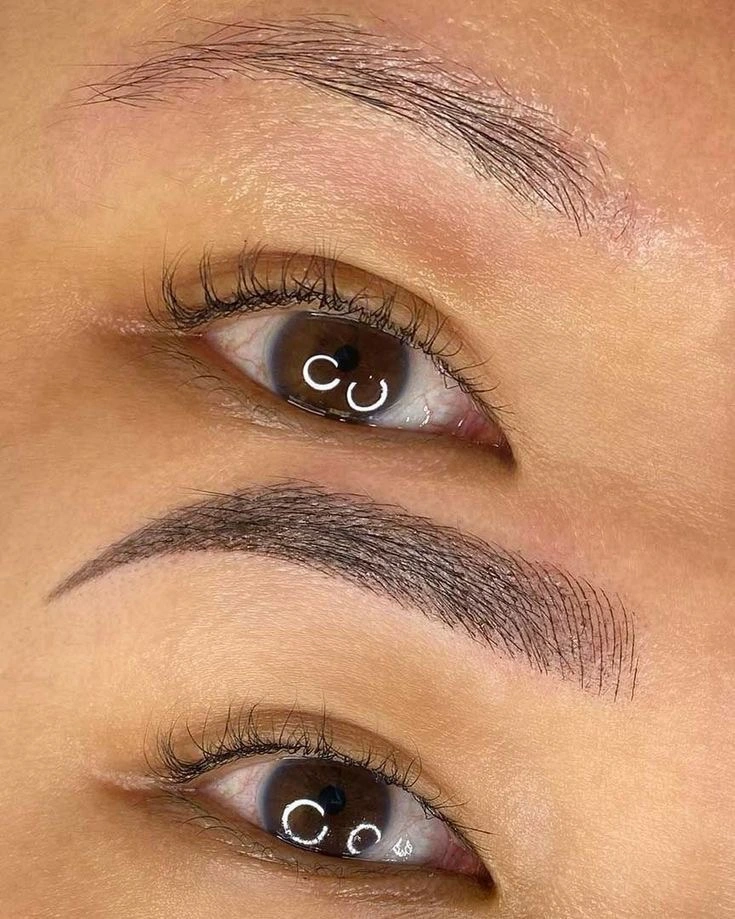
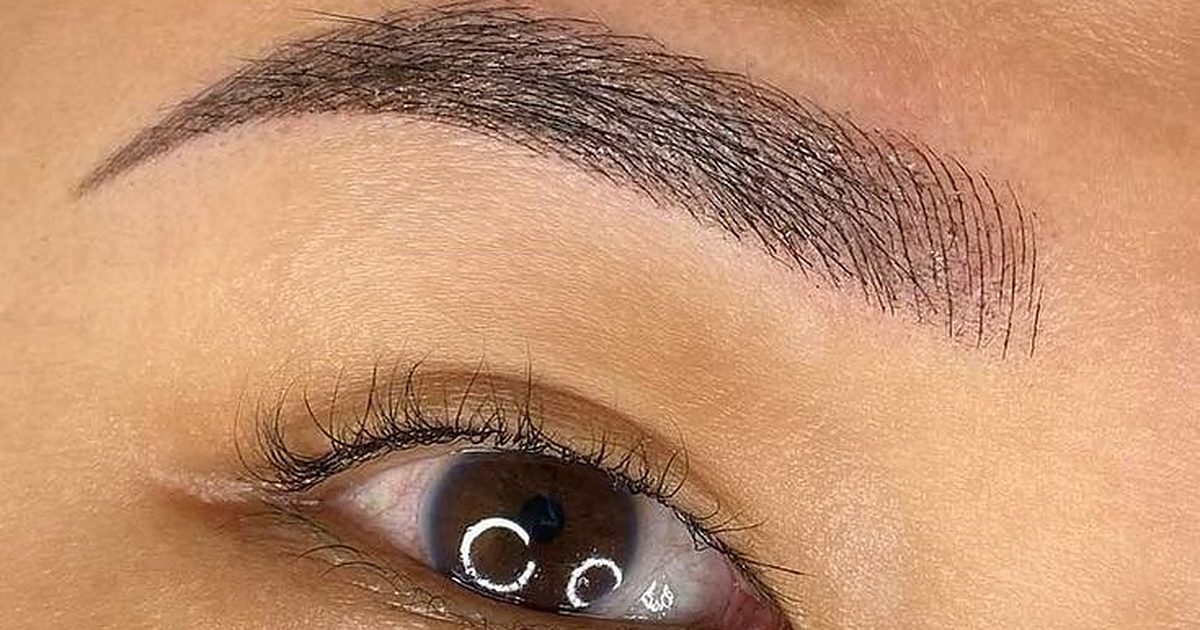
Nano work usually heals soft and wispy. The nano strokes are thinner than bladed ones and sit a little lighter in the skin. That is why people who want a natural-looking, hair-like finish often choose nano. Well-placed nano hair strokes mimic natural eyebrow hairs and follow the way your own hairs grow, so the brows never look drawn on.
What microblading is
Microblading uses a manual blade, a handheld tool with a row of very fine blades at the tip. The artist draws each stroke by hand, using the blade to create a shallow cut and placing pigment into the skin. There is no motor and no preset depth, which is why the artist’s skill matters so much with this method. Traditional microblading has been the standard hair-stroke method for years.
Done well, microblading creates crisp, defined strokes with real character. The hand tool gives a skilled artist a level of control over shape that is hard to match.
The trade-off is simple: a blade cuts. A cut causes slightly more trauma than a needle puncture, and skin that heals slowly or unevenly will show it.
The key differences between nano brows and microblading
Most comparisons stop at “blade versus machine.” That is the least useful part. So what’s the difference that actually changes your result? These five points matter most.
- Tool and depth. One cuts and the other punctures. The machine sets nano depth, while blade depth comes from the artist’s hand.
- Less trauma to the skin. Nano is the gentler option. A blade asks more of your skin while it heals.
- How the work ages. Microblading strokes tend to soften and spread as they fade, so the crisp edges blur first. Nano lines keep their definition longer and fade more evenly.
- Comfort. Most people find the blade a little sharper and describe it as a scratching feeling. Nano is usually easier to sit through.
- Healed appearance. Bladed work looks bolder and more defined. Nano looks softer and more feathered.
Neither brow technique can build a full brow from nothing. Both work with the brow hair you already have, and both look best when the goal is to define your natural brow, not rebuild it completely.
Which suits oily or mature skin
For most people, this question settles it, because the right answer depends on your skin.
Oily skin is hard on microblading. Oil works against a fine cut line, so microblading strokes blur, fade or drop out faster than they do on dry skin. If your skin is oily and you want hair strokes, nano is the safer choice of the two. That is why many artists prefer nano and call it better for oily skin. Shading often holds even better, as explained in microblading and powder brows and why powder brows may work for you.
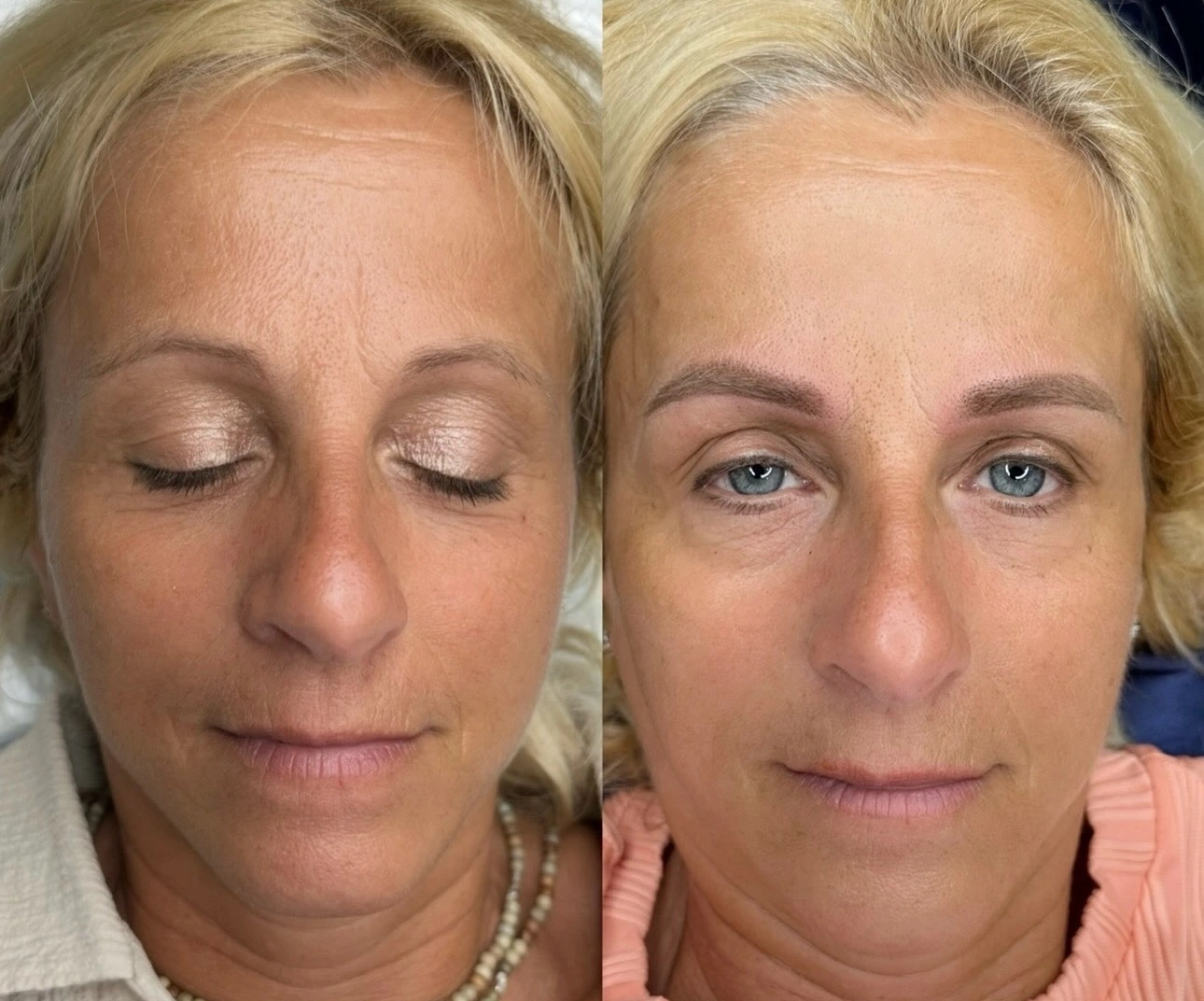
Mature, thinner and sensitive skin also tends to do better with nano. Skin that has lost some firmness does not take a cut line as cleanly, and the shallower machine line is gentler on it.
Dry to normal skin is the easy case. Both techniques work well on normal skin, so you can choose based on the look you want rather than what your skin can handle.
How each one ages, and which lasts longer
Both techniques fade. That is by design, not a flaw. Permanent eyebrow work is long-lasting rather than truly permanent, so it needs a refresh now and then.
Microblading usually lasts one to three years. Most people book a refresh between twelve and eighteen months, with a first touch-up six to eight weeks after the first session. Oily skin shortens that timeline, and dry skin stretches it.
The bigger difference is how each one fades and what the healed results look like a year later. Bladed work loses its crisp edges first, so older work can look like a soft shadow instead of individual hair strokes. Nano keeps its line longer and thins out more evenly. For the details, see how long microblading lasts. What you do in the first ten days matters just as much, and microblading aftercare covers that.
What changes the cost of nano brows
There are no prices here, because a real number depends on your brows. Nano pricing moves on the same factors as blade work:
- How experienced the artist is
- How much work your brow needs
- Whether old pigment needs attention first
- The brow technique you choose
- How many sessions the result takes to finish
Machine work takes years to learn properly, and that training is the biggest part of what you pay for. The only reliable price for your brows comes from an in-person consultation.
Which should you choose
Choose microblading if your skin is dry to normal, you want crisp, defined hairs, and you are happy to refresh the work as it softens.
Choose nano if your skin is oily, mature or slow to heal, if you want a softer and more feathered look, or if comfort during the appointment matters to you.
Choose a shaded or combination technique, often called combo brows, if your skin is oily and you want the most predictable retention. Microblading or microshading and which brow style suits you explain that option in more detail.
Common questions
Is nano just microblading with a machine?
No. The results look similar, but one cuts and one punctures, so they heal differently.
Microblading vs nano brows: which hurts less?
Most people say nano, though the difference is small. What the appointment feels like covers this in full.
Can I get nano over old microblading?
Sometimes. It depends on how dark, how saturated and how well placed the old work is. Some brows need lightening first.
Which looks more natural?
Nano usually looks softer. Whether softer looks more natural depends on your face, your hair and how strong your own brows are.
Is one better than the other?
Not overall. One is better for your skin, and that is a different question. To see how permanent makeup brows compare with older tattoo methods, read microblading and eyebrow tattooing.
Book a consultation and find out which one your skin wants
The nano brows vs microblading decision is easier to make in person than on a screen, because it hinges on your skin type, your brow shape and how much hair you are working with. A consultation at Ashley Swain Permanent Makeup & Medspa covers all three, and you leave knowing which technique suits you rather than guessing. Call 561-295-8481 or request a time through our contact page to book a consultation at the Palm Beach Gardens studio.