Search how often you need a microblading touch up and the answers range from every six months to every three years. That gap is not small, and the advice behind it is not neutral. Here is what decides the timing.
The two kinds of touch up
Two appointments share the same name, and conflating them causes most of the confusion.
The first touch-up happens six to eight weeks after your first microblading session. It completes the original procedure. Nobody skips it by design.
The refresh happens a year or more later. It maintains work that has already healed and faded. This is the appointment people mean when they ask how often they need one. Some studios call it a color boost. The name changes, the appointment does not.
Everything below separates the two. Both are permanent makeup appointments, and that shared label is part of the confusion. If you are researching permanent eyebrows and trying to work out the real commitment, both appointments matter to that calculation.
The first touch up, 6 to 8 weeks after your initial session
Your skin does not retain every hair stroke on the first pass. Pigment retention varies from person to person, which is why the initial microblading session is only half the job.
Some strokes drop out during initial healing and some areas lighten more than others. Brow color settles differently once the skin recovers, and your artist can only judge the healed result after it has healed.
The first microblading session places the work. The touch-up session finishes it.
It runs shorter than your initial appointment, sixty to ninety minutes against two and a half to three hours. Topical numbing is applied the same way, and most clients find the touch-up easier. The healing process runs shorter too, around five to seven days rather than two weeks. The full microblading aftercare timeline still applies, just compressed.
Treat this one as part of the procedure rather than an extra. Skipping it means keeping a partial result.
How often should you refresh after that?
Here is the disagreement. Some studios recommend a refresh every six to eight months. Others say nine to twelve, or twelve to eighteen, or one to three years. At least one page warns readers away from any studio recommending six months.
Both ends of that range carry a real cost, and the mechanism explains more than any single number.
Refresh too often and you oversaturate. Every session places pigment into the same skin. Repeat too often and pigment builds up, strokes blur into a solid shape, and the skin takes trauma it has not finished recovering from. Scarring becomes a real risk.
Refresh too rarely and you rebuild. Once the work has faded past a certain point, the artist is not refreshing anything. They are starting again, on skin that still holds old pigment.
So the honest answer is not a number. Book when you can see fading, not when a calendar tells you to. Assess it yourself in daylight: strokes losing definition, tails going soft, the color reading grey or washed out rather than warm.
Most people land somewhere in the 12-18 months range. Some reach two years. Some need one at nine months. All three can be correct, and none of them is a schedule.
If you are new to microblading, expect regular touch-ups rather than one appointment. Maintenance comes with a semi-permanent treatment.
What changes the interval
Four things move the timing, and the microblading how long does it last post covers each in depth.
Your skin type
Oily skin sheds pigment faster and microbladed brows fade faster on it. Expect the shorter end of the range.
Sun exposure
UV breaks pigment down. Time in the sun year round in South Florida shortens the interval for almost everyone here, since microblading pigment sits in the top layers of your skin where light reaches it.
Your skincare
Acids, retinol and exfoliants over the eyebrow area speed fading, and most people apply them across the whole face without thinking about the brows.
How saturated the original work was
Lighter, softer original work fades to invisible sooner than denser work, and microblading results built for a very natural look do not last longer than a year in most cases. Neither is better. They just run on different clocks, and a touch up for microblading done in a soft, natural style comes around sooner than one done densely.
What happens if you wait too long
A refresh becomes a rebuild past a certain point, and the difference is real.
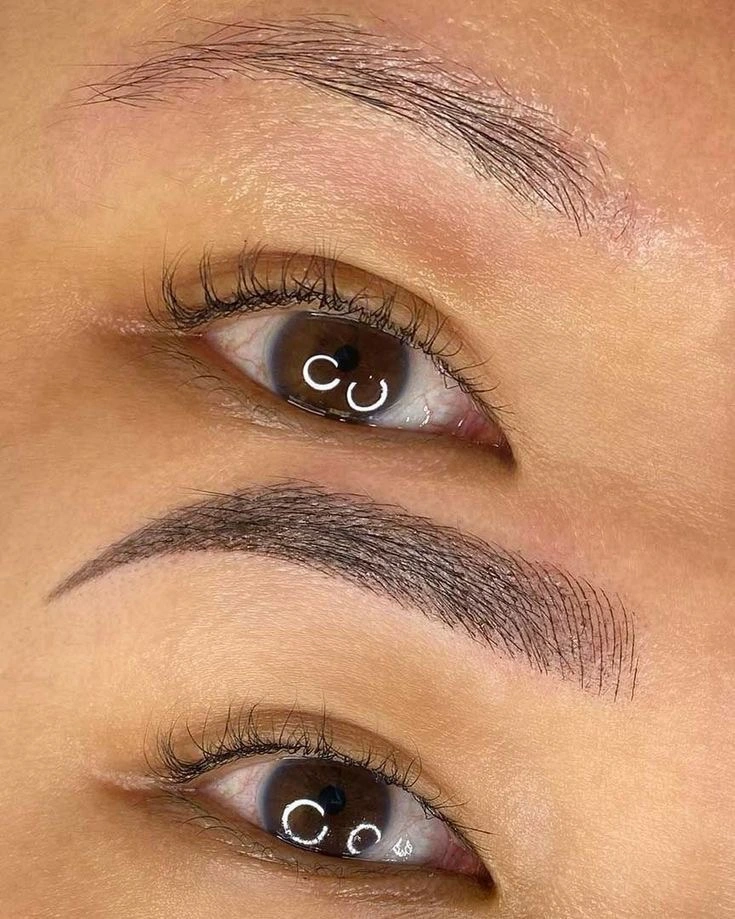
Your artist works with whatever pigment remains. Work that has faded significantly often shifts color, reading cooler or greyer than originally. That residue does not disappear under new pigment. A correction comes first, since old pigment has to be neutralised before new strokes go in.
A rebuild takes longer and costs more, and sometimes takes two sessions where a timely refresh would take one. Faded work is fixable at any stage. Booking earlier just makes it a smaller job.
What happens at a touch up appointment
The appointment starts with an assessment. Your artist looks at how the brows healed, where the skin retained pigment and where it dropped, and what color the remaining work has faded to. Numbing cream goes on as before.
Color gets matched against the faded result rather than the original formula. Mixing to the original shade over faded pigment produces something darker or cooler than either.
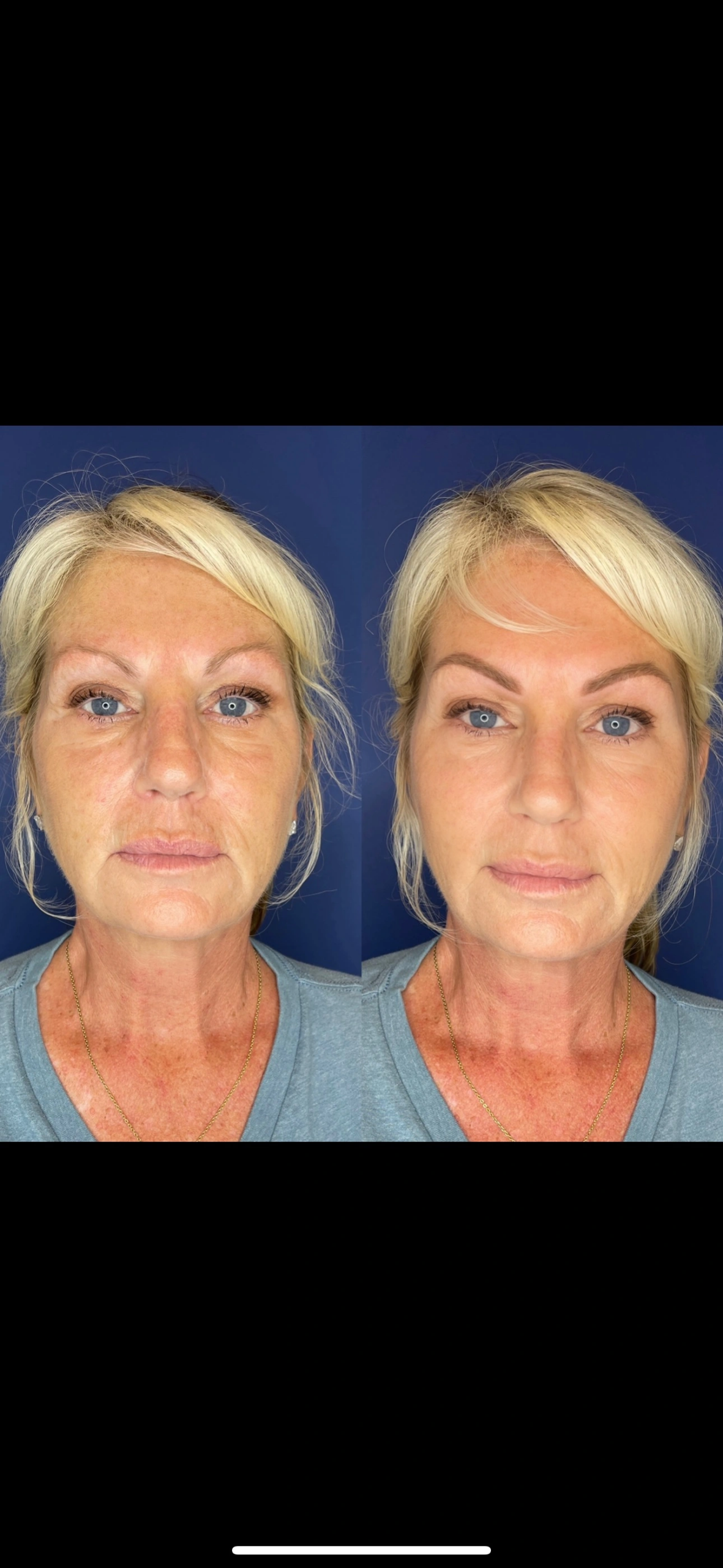
Then the strokes get refreshed and the brow shape refined. This is also where you can adjust. Want the tails longer, the arch softer, the shade warmer? Say so at the start of your microblading appointment rather than after. Less work is needed than the first time, so there is room for it.
The whole thing runs shorter than your first session, and the healing that follows is shorter too.
Can you get a touch up somewhere else?
Yes. Work done at another studio is welcome here, and it starts with an assessment.
Plenty of people searching for a microblading touch up near me have faded work from an artist they cannot reach, and assume nobody will take it on.
The assessment is practical. Your artist needs to see how the existing pigment healed, how deep it sits, and what color it has faded to. Different artists use different pigments, depths and stroke patterns, and all of it affects what a refresh will do.
Sometimes it is a straightforward touch up microblading appointment. Sometimes faded work has shifted color enough to need correcting first. Occasionally the existing work sits too deep or too saturated for a refresh to look right, and the honest answer is to wait for it to lighten. Powder brows are sometimes the better route over heavily saturated work.
None of that reflects on the original artist. Pigment behaves differently on every client, and healed work from twelve months ago says little about the appointment that produced it.
Bring photos of the original result if you have them. Knowing what the work looked like fresh tells your artist how far it has travelled, and that shapes the plan for an eyebrow microblading touch up over someone else’s strokes.
Frequently asked questions
Is the first touch up included in the price?
The initial six to eight week appointment is normally included in the original procedure. Later refreshes are priced separately. Ask at your consultation which applies to your booking.
How long does a touch up take?
Roughly half the time of your first session. Assessment and color matching take a share, so allow more than the stroke work alone suggests.
Does a touch up hurt less than the first session?
Most people say yes. Less of the brow area is worked, the session is shorter, and healed skin responds more calmly than skin worked for the first time.
How long does healing take after a touch up?
Around five to seven days, compared to about two weeks after the first session. Less skin is disturbed, so it settles faster.
Can I change the shape or color at my touch up?
Within limits, yes. Your artist can extend or soften, warm or cool the shade, and refine the arch. Going smaller or lighter is harder, since existing pigment cannot simply be removed.
What if my brows were done at another studio?
Book an assessment first. Your artist needs to see the existing pigment before committing to a plan, and photos of the original work help. A microblading eyebrow touch up over another artist’s strokes is routine, not a problem.
Can I have a touch up too soon?
Yes, and it is worth avoiding. Skin needs to finish healing before it takes more pigment. Getting a microblading touch-up too soon risks oversaturation and unnecessary trauma to the same area.
How faded is too faded?
There is no hard cutoff. As a rule, if the shape is still readable at the surface of the skin and some pigment remains, a refresh works. Once you are looking at a faint shadow, expect a rebuild.
Booking your touch up
Book when you can see the fading rather than when a schedule says to. Every 12-18 months suits most people, but your own brows are the better guide. That habit keeps your brows looking fresh and the appointment short.
Existing work from another studio is welcome, and it starts with an assessment rather than a booking.