
Microblading vs Microshading: What Is the Difference?
Two treatments, nearly the same name, very different brows. Microblading and microshading get booked interchangeably all the time, and people walk out with a result they never pictured. So what’s the difference? One draws lines. The other builds dots. Read this before you choose and you’ll have microblading vs microshading, everything to know, settled in your head before you sit in the chair. Both are semi-permanent makeup techniques that place pigment into the skin of the brow area, and both sit alongside the other permanent eyebrows options at Ashley Swain in Palm Beach Gardens.
What Is Microblading?
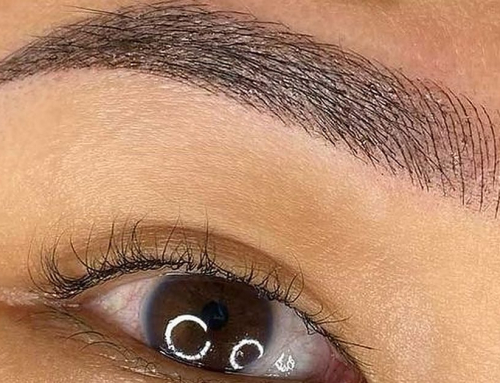
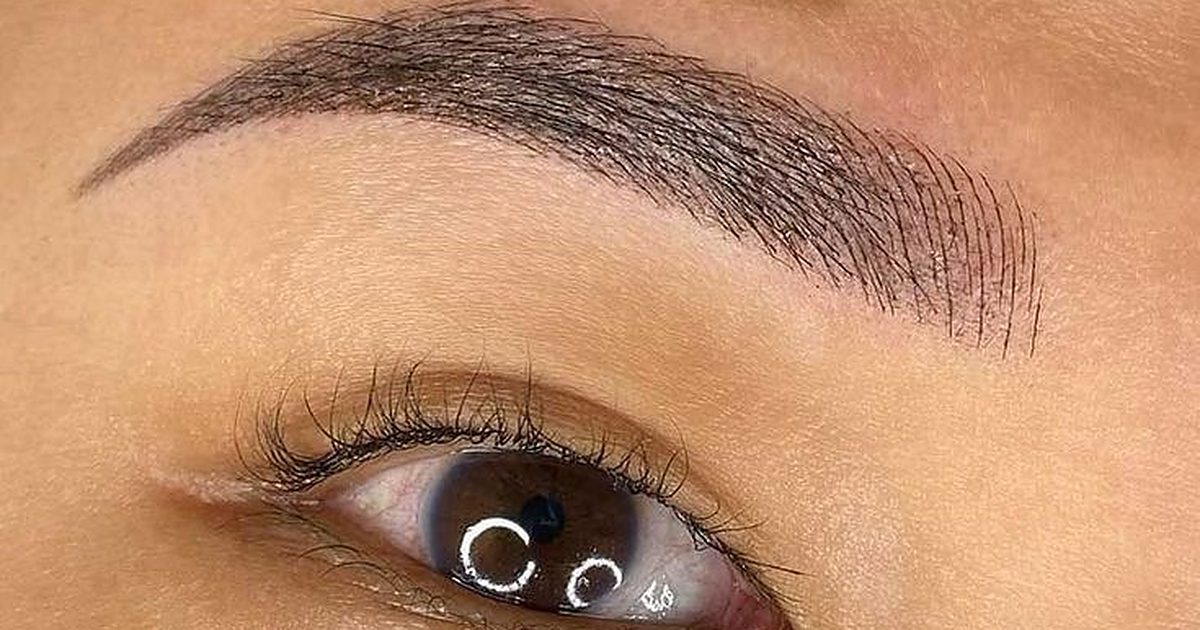
Microblading is tattooing with a hand tool. Fine needles, grouped into what artists call a blade, deposit pigment just under the surface of the skin. Your artist draws one stroke at a time and follows the direction your natural brow hair already grows in. The blades used in microblading create hair-like strokes that mimic real eyebrow hairs, so what heals in reads as hair you grew rather than makeup you put on.
Drawing by hand gives the artist close control over brow shape and the angle of every line. That control is the whole appeal. Microblading is best on normal to dry skin, and it wants some natural eyebrow hair to build around. On oily or sensitive skin those crisp lines tend to soften and spread as they heal, which is why your skin gets assessed before your preference does.
What Is Microshading?
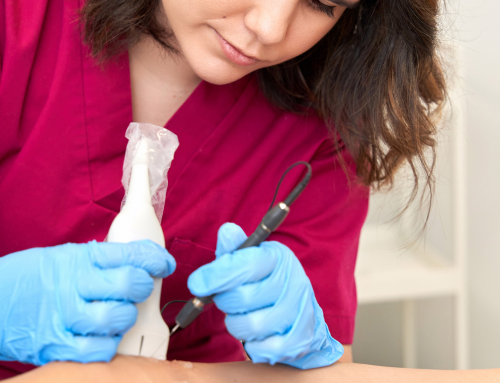
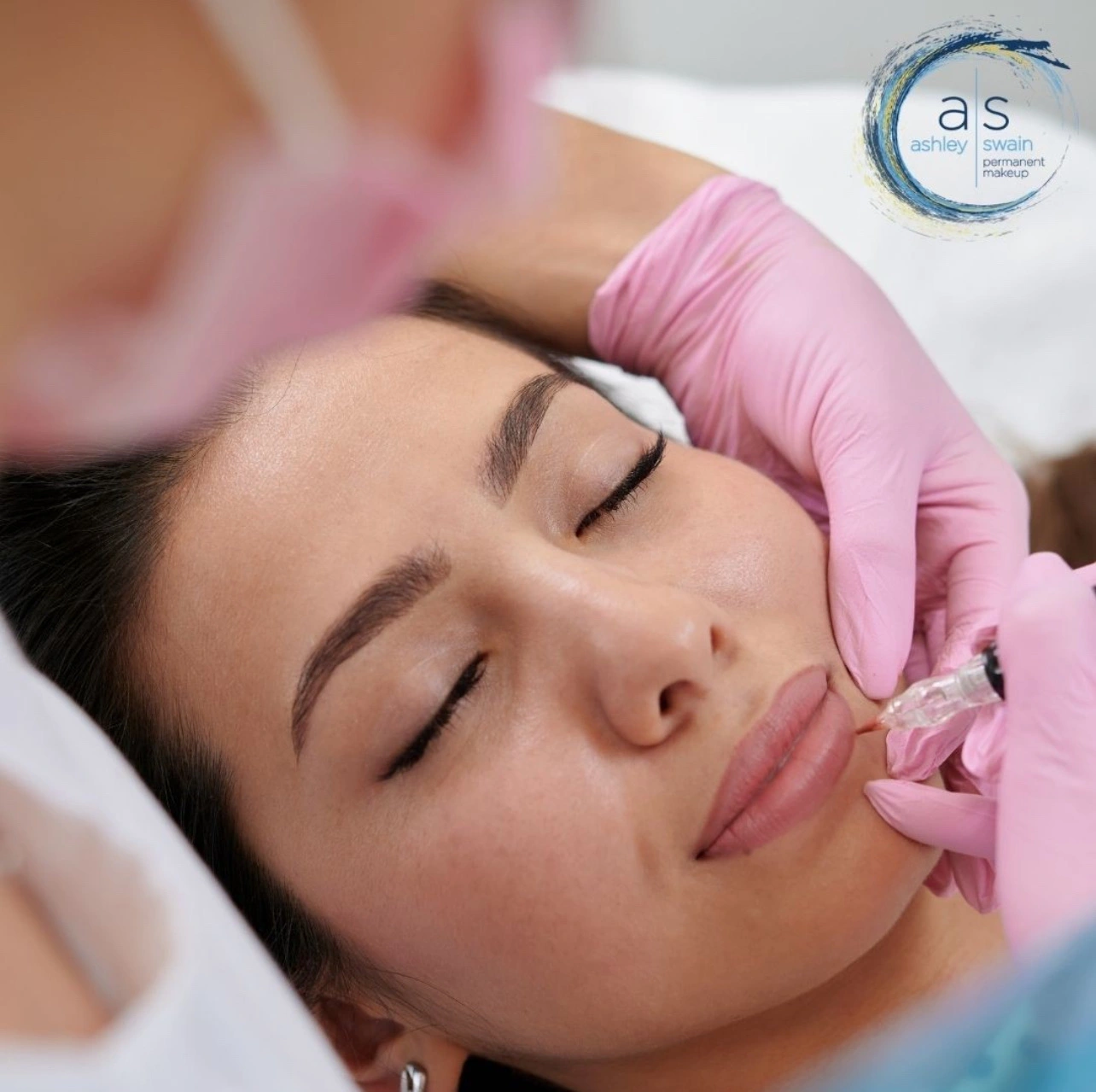
Microshading is another semi-permanent eyebrow technique, and it works in dots instead of lines. Microblading uses a bladed hand tool; microshading uses a machine to tap in thousands of small dots of pigment. Layer those lightly and they blur together into the powdered effect of brow powder brushed on with a soft hand. You’ll still see either treatment called eyebrow embroidery in older brochures, which is an inherited umbrella name for brow tattooing rather than a third service.
Unlike microblading, nothing cuts into the skin here, so there’s less damage to heal. Microshading is great for oily or sensitive skin, for thicker skin, for skin that has been worked on before, and for anyone who wants full brows with a filled-in finish rather than a hair by hair one. Like microblading, it fades. Compared to microblading, it’s the gentler of the two on reactive skin.
The Difference Between Microblading and Microshading
Plenty of people say microshading and microblading as though they named one service. Here’s the quickest way to tell them apart: think about how you fill your brows in now. Microblading gives you the look of having more hair. Microshading gives you the look of having filled your brows in with an eyebrow pencil, neatly, then walked out the door.
Step back a few feet and microblading reads as texture, while microshaded brows read as shape. Lean into the mirror and you’ll see separate lines in the first and no hard edges at all in the second, just a gradient effect that sits light at the front of the brows and builds through the tail. Neither one prints perfect eyebrows onto a blank face. Both work with the brows you’ve got, and perfect brows in practice means symmetry that suits the rest of your features.
Microshading and Powder Brows Overlap
Microshading and powder brows, sold in some studios as ombre brows, describe work that’s close to identical. A machine shades the brow. Color builds in layers. Either can be graded into an ombre effect that runs light at the front and deeper at the tail. Where studios do draw a line, microshading usually means a lighter, dottier application and powder brows a denser one. Our guide to powder brows vs microblading goes deeper into that comparison.
Who Each Eyebrow Treatment Suits
Your skin and your remaining hair decide this, not your mood on the day. Whether microshading or microblading fits you better comes down to how the pigment settles, and pigment settles differently depending on your skin type.
- Microblading: normal to dry skin, brows with some natural hair left, and anyone after a natural eyebrow look rather than a finished one.
- Microshading: oily or sensitive skin, thicker skin, sparse brows or patchy ones, and anyone reaching for an eyebrow pencil every morning.
- Combo brows: mixes microblading and shading, with hair strokes at the front and shading through the body and tail. A common first brow treatment for people who want some of both.
- Previous work: pigment already in your skin changes what’s possible, so bring photos and dates to your consultation.
Like the hair stroke look but your skin runs oily? Nano brows place strokes with a machine instead of a blade, similar to microblading in finish and far kinder to oily skin. Our guide to nano brows vs microblading covers that route.
How They Heal
Topical numbing goes on before either treatment.
Microblading scabs finely along each stroke and takes roughly two to three weeks to settle. Expect the lines to look sharp and dark for the first few days, then soften. Microshading flakes lightly for about a week and lands closer to its final self sooner. After a microshading appointment, as after microblading, keep the brows dry, skip the gym for a few days, and use no acids or exfoliants in the area while the skin repairs.
Your first touch up is booked two to six weeks after the session, depending on the area treated. Most people come back for a refresher at about a year. Sun does more to fade pigment than anything else you’ll do, so sunscreen over healed brows buys you months. The aftercare instructions you’re handed at your appointment override anything you read online, this page included.
Does One Last Longer?
Not by enough to decide your booking. Shaded brows often hold color slightly longer, because pigment spread across an area fades as a gradual lightening rather than as strokes breaking apart. On oily skin that gap widens in microshading’s favor. On normal to dry skin the two run a similar course, and your sun habits will matter more than your choice of method.
Can They Be Combined?
Often, yes. A combination brow puts hair strokes at the front, where the eye expects texture, then shades the body and tail where you want density. It answers brows that have hair in some spots and nothing in others. Our brow experts raise it more than any other option once they’ve looked at a client’s skin up close.
Which One Should You Book?
Choosing between microblading or microshading comes down to your skin, how much brow hair you have left, and how done you want to look. It depends on your desired look more than on which name is trending this year, so there’s no single better option for everyone, and the right brow technique gets settled by your skin rather than by a name. That’s a conversation, not a coin toss. Book a consultation with Ashley Swain in Palm Beach Gardens on 561.295.8481, or request a time through our contact page. We’ll map your brows, read your skin, and tell you whether microblading vs microshading, or a blend of the two, gives you the result you’re picturing.