Most people are told twelve to eighteen months, then read somewhere else that microblading lasts three years. Both are true, for different people. The honest range is one to three years, and how long microblading lasts on you comes down to a handful of variables worth understanding before you book.
The short answer: how long does it last?
Microblading typically lasts one to three years. Results can last anywhere in that range depending on your skin, measured to the point where the color has faded enough that you want it refreshed. Most people land somewhere around 12 to 18 months. That is the point where the strokes start to look soft rather than defined and a touch-up starts to feel worth scheduling.
First-time clients researching permanent eyebrows should plan around that range after a first microblading session. It is not a promise. Anyone giving you one confident figure without asking about your skin is guessing.
Why the answer about eyebrow microblading keeps changing
Search this question and you get a different answer every time. 6 to 12 months on one site. 12 to 18 on another. 12 to 24 somewhere else. One to three years. Some say 12 to 30 months. All of it is published as fact.
None of them are lying. Studios quote averages from their own clients, and those reflect a particular client base, climate and technique. A studio in a dry northern city sees longer results than one in South Florida with clients who swim year round. Both report honestly, on different people.
So how long will microblading last depends, and the spread is wide because the variables are. Microblading may hold three years on one person and 12 months on another. The useful part is that the variables are knowable, so you can work out which end you sit on.
What actually decides microblading longevity
Your skin type
This is the biggest single factor, and it is not close. Skin type matters far more than skin tone here. Oily skin sheds pigment faster. Sebum, the oil your skin naturally produces, works against the pigment sitting in the upper layers of the skin and softens the crisp strokes over time. Larger pores accelerate the same effect. Dry to normal skin holds microblading longest and keeps the stroke definition sharpest.
Sun exposure and UV
Sunlight breaks pigment down. UV exposure is the mechanism, and in South Florida that is not a summer problem, it is a year round one. Brows that are out in full sun several days a week fade measurably faster than brows that are not. A hat and sunscreen genuinely change the timeline.
Your skincare routine
This one catches people out. Glycolic acid, salicylic acid, retinol, vitamin C serums and strong exfoliants all speed up skin cell turnover, the process that carries pigment away. Anywhere near the eyebrow area, they shorten the life of your microblading. Most people apply them to the whole face without thinking.
Swimming, sweating, and Florida humidity
Chlorine and salt water both pull at pigment, and heavy perspiration does the same more slowly. Swim regularly, work out hard, or spend long stretches outdoors here and you should expect the shorter end of the range. No national article accounts for this, and locally it matters more than anything except skin type.
The microblading technique and the pigments used
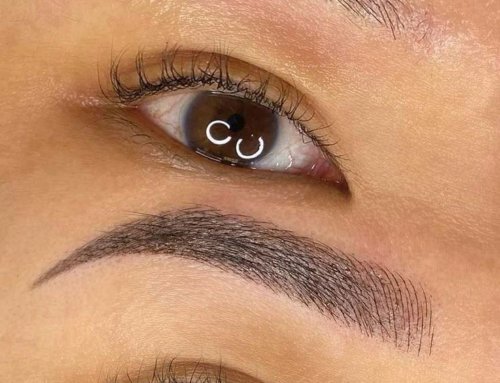
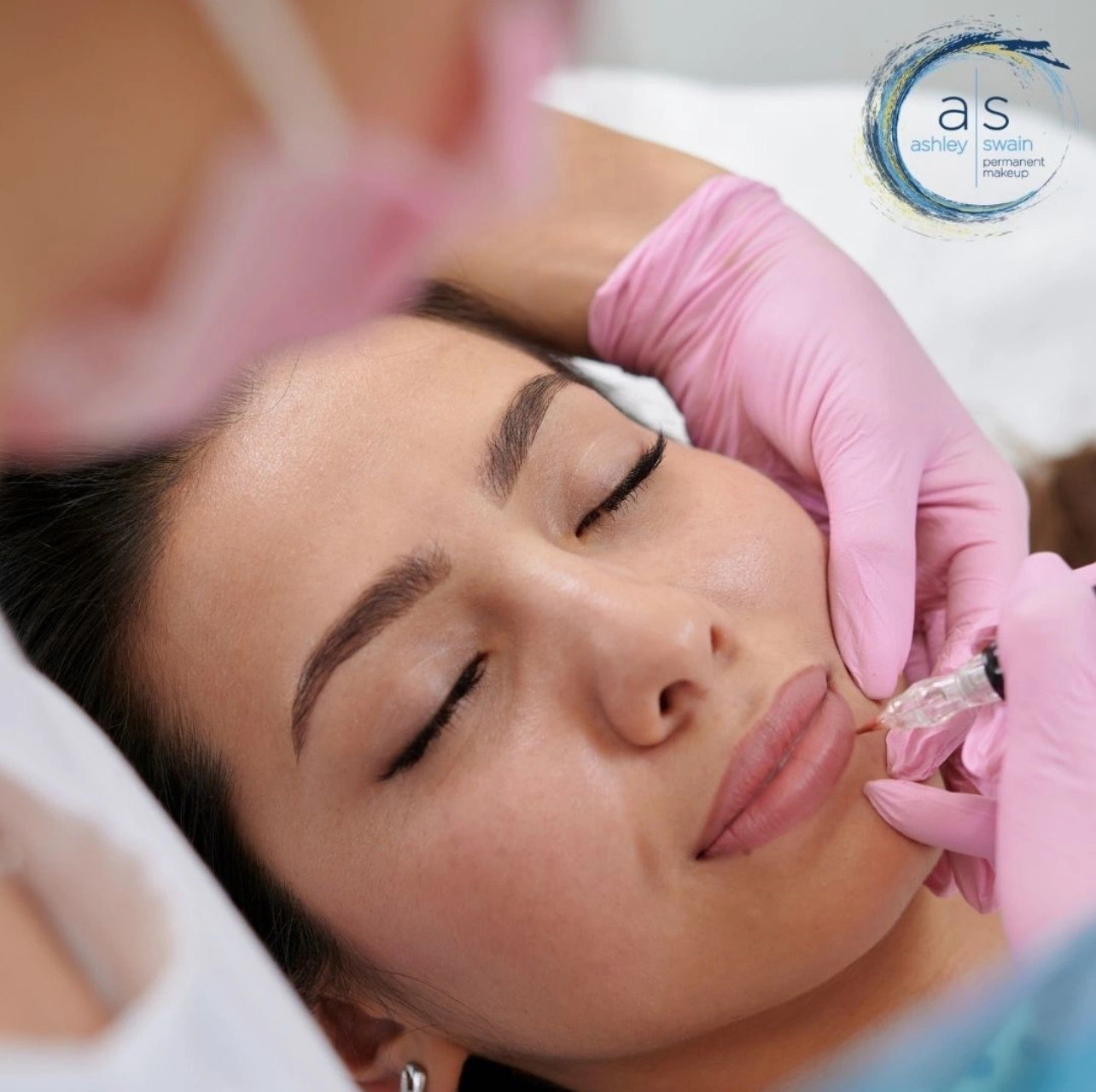
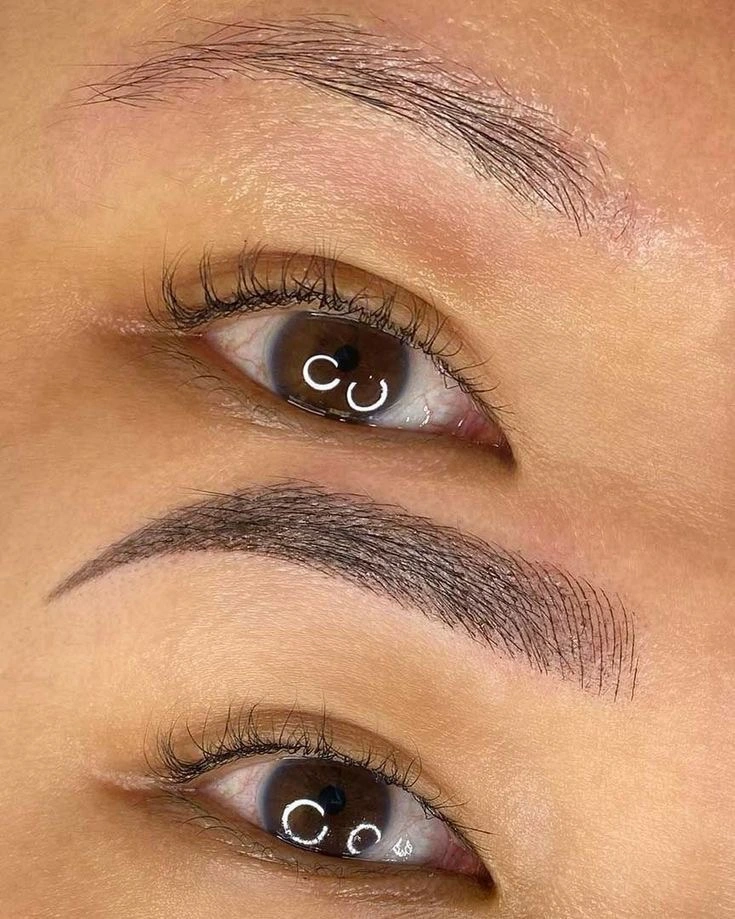
The microblading technique is manual. The technician uses a handheld tool with fine blades to place pigment in hair-like strokes, following the direction your natural eyebrow hair grows.
Placement depth and pigment choice both affect longevity. Too shallow and the color lifts early. Too deep and it blurs rather than fading cleanly. Manufacturers formulate cosmetic tattoo pigments to fade predictably, which is what you want.
None of this is under your control, but all of it is reasonable to ask a microblading artist about.
How long microbladed eyebrows last on oily skin
Oily skin deserves its own answer. It is the most common reason a client feels misled.
On oily skin microblading fades faster, often noticeably by nine to twelve months rather than holding for eighteen. Strokes soften and blur sooner, so instead of crisp hairs you get a powdery, less defined look earlier than expected. Nothing has gone wrong. That is how oily skin interacts with fine stroke work, and it is the most common reason microbladed eyebrows may not last as long as someone was told.
Clients with oily skin should discuss powder brows vs microblading before committing. Powder brows use a shading technique rather than fine strokes, and the result generally holds better and ages more gracefully on oily skin. Plenty of people arrive expecting microblading and leave having chosen differently once they understand their own skin.
What fading actually looks like
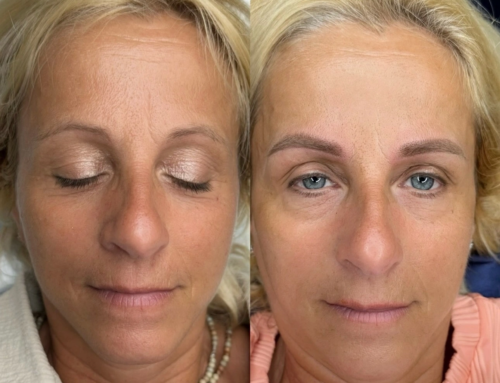
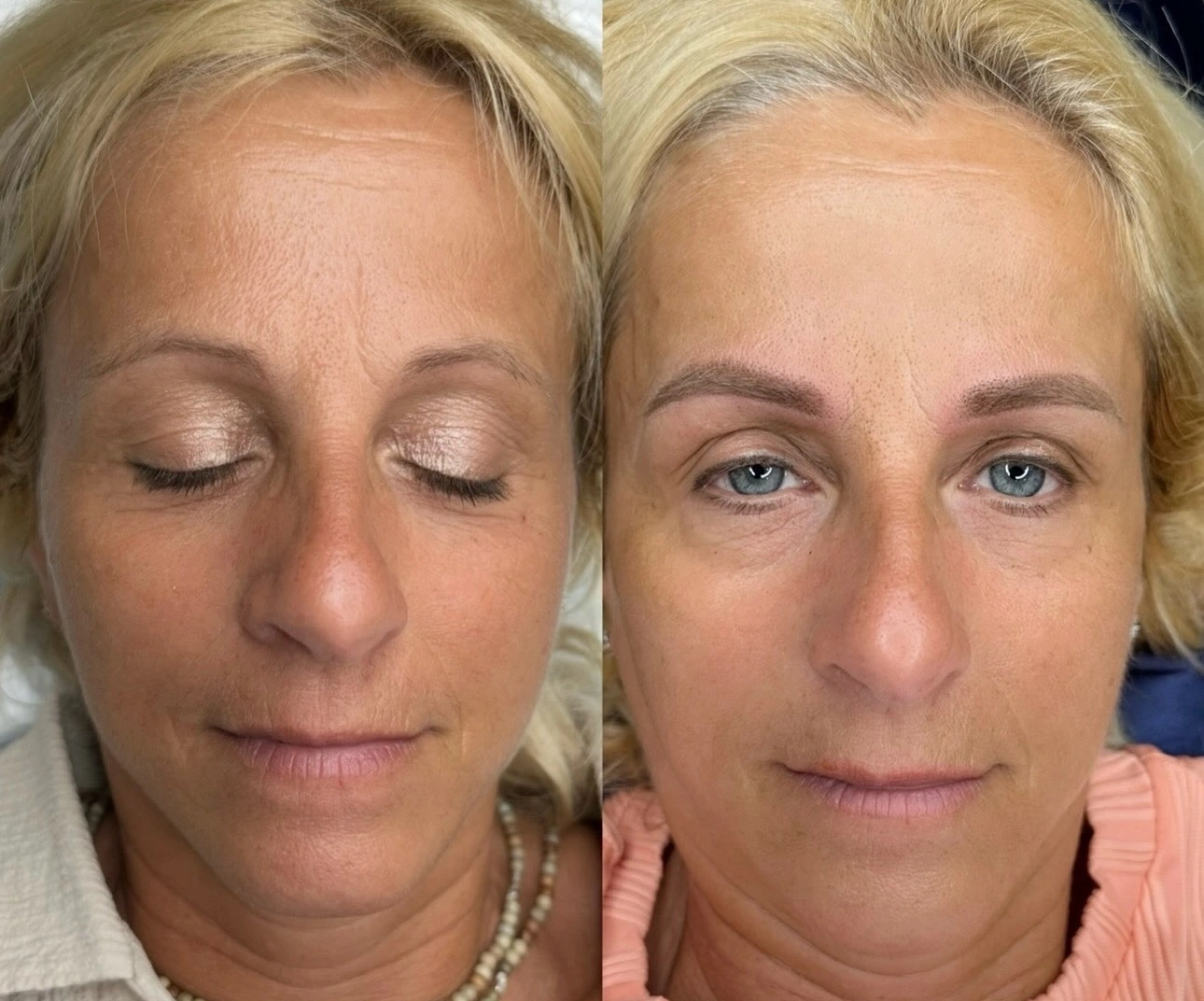
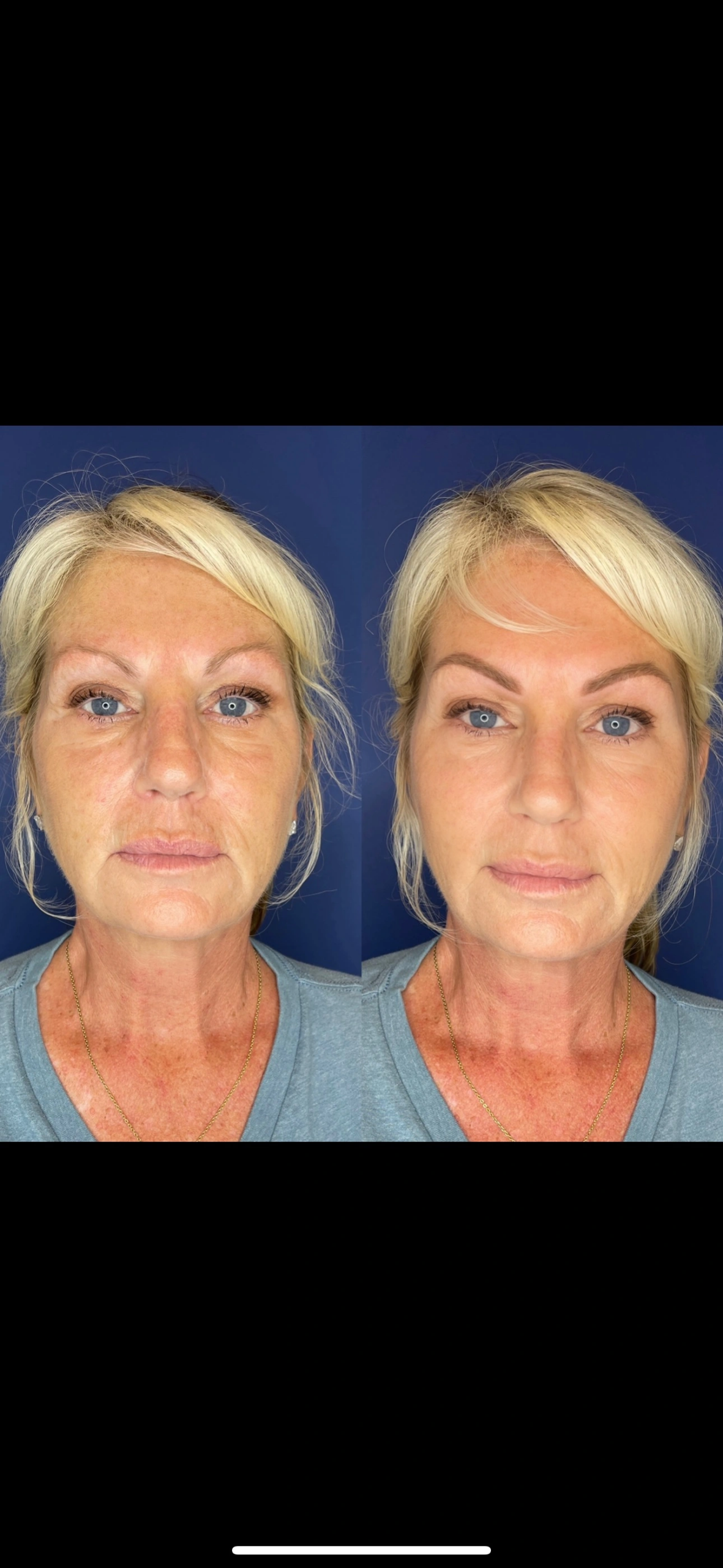
Microblading does not switch off. Microblading results fade gradually and slightly unevenly after the brows heal. The change moves slowly. Most people notice it only when they compare a photo from a year ago.
IMAGE PLACEHOLDER. Alt text: Microblading eyebrows shown fresh, at one year, and at two years, illustrating how long microblading lasts before a refresh is wanted
Alt text as written above. Needs a consented three-stage client image, or an illustration if none is available.
Skin cell turnover is what causes the pigment to fade, working from the tails inward. Strokes lose crispness before they lose color, so microbladed brows read as softer and more powdery before they read lighter. Many people find this stage the most natural-looking of all. A faint shadow usually remains at the end. Unlike a scab-heavy healing phase, none of it is visible day to day.
Microblading touch ups and how they change the timeline
A touch-up is a short appointment that refreshes the existing work. It is not the same as starting over, and the difference is worth understanding because it affects both your time and your cost.
Most people book a refresh somewhere between twelve and eighteen months, and the trigger should be that the strokes are softening, not that they have disappeared. Enough remaining shape and pigment keeps the appointment quick. The artist works with what is already there.
Leave it too long and that changes. Once the work has faded almost completely, the appointment stops being a refresh. It becomes close to a full microblading procedure again, and the cost of microblading a second time from scratch is considerably more than a refresh would have been. Booking when fading starts rather than when it finishes is the practical takeaway.
How to care for your eyebrows so microblading results last longer
How you care for your eyebrows decides more than most people expect. Sunscreen on the brows daily is the highest impact habit. Keep acids, retinol and exfoliants off the brow area entirely. Follow the initial healing instructions exactly, since the first two weeks decide how much pigment you keep. Wear a hat outdoors. And book the refresh when fading begins rather than when it finishes.
Frequently asked questions
Is microblading permanent?
No, and the terminology causes real confusion. Microblading is a semi-permanent makeup treatment, not permanent makeup in the literal sense. The pigment sits in the upper layers of the skin rather than deep in the dermis, where a traditional tattoo goes. Your body gradually breaks it down and clears it. That is why it fades on a timeline instead of staying put for life.
Will microblading fade completely, or does pigment in the skin stay?
Usually a faint shadow of your brow shape remains rather than nothing at all. Your skin, your number of sessions and the placement depth decide how much. Most people who let it go entirely still see a soft outline years later.
How long does it take to have microblading done?
Plan two to three hours at your microblading appointment. The touch-up is considerably shorter.
Is microblading a tattoo?
Technically yes. Microblading is a cosmetic tattoo, though it behaves very differently from a body tattoo.
How often do I need a touch-up?
Most people come in every twelve to eighteen months. Oily skin, heavy sun exposure, and regular swimming push that toward the shorter end. There is also an initial microblading touch-up 6 to 8 weeks after the first appointment. That one is a different thing entirely, and it is part of finishing the original work.
Does microblading last longer on dry skin?
Yes. Dry to normal skin holds pigment longer and keeps the strokes more defined, so the healing process leaves more of the original work behind. People with drier skin commonly reach two years or more before they want a refresh.
Getting an honest answer for your skin
There is only one way to know which end of that one to three year range applies to you. Ashley assesses your skin in person. That is what a consultation is for, and it is the only way to get a long-term microblading estimate that means anything. Ashley will look at your skin type, your sun exposure, and your routine, and give you a realistic timeline rather than an average.
Read how long does permanent makeup last for the comparison across procedures. When you are ready, get in touch to book a consultation.