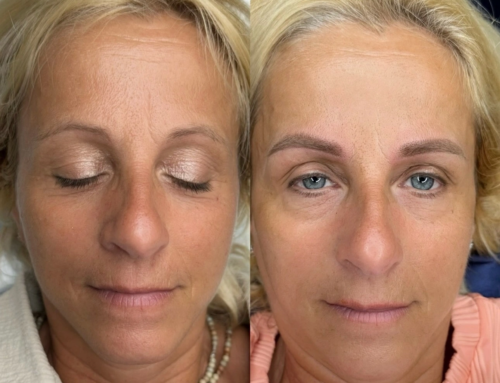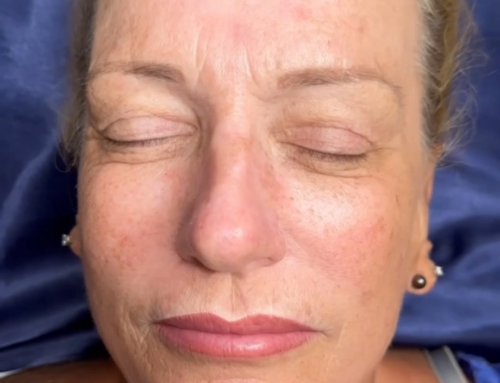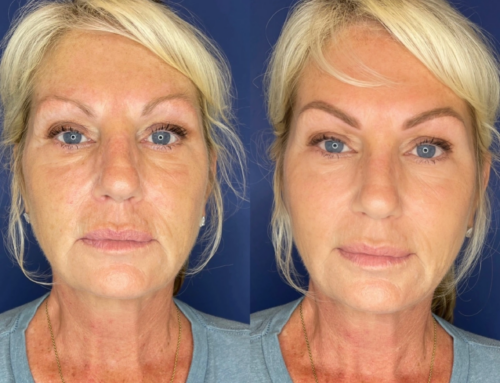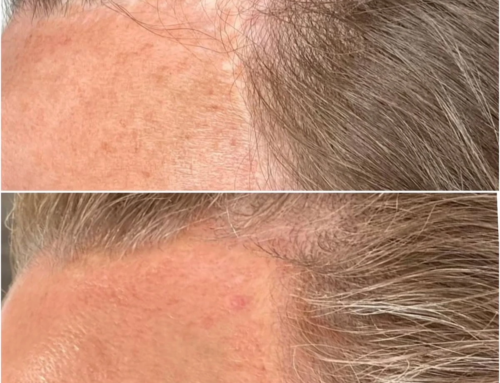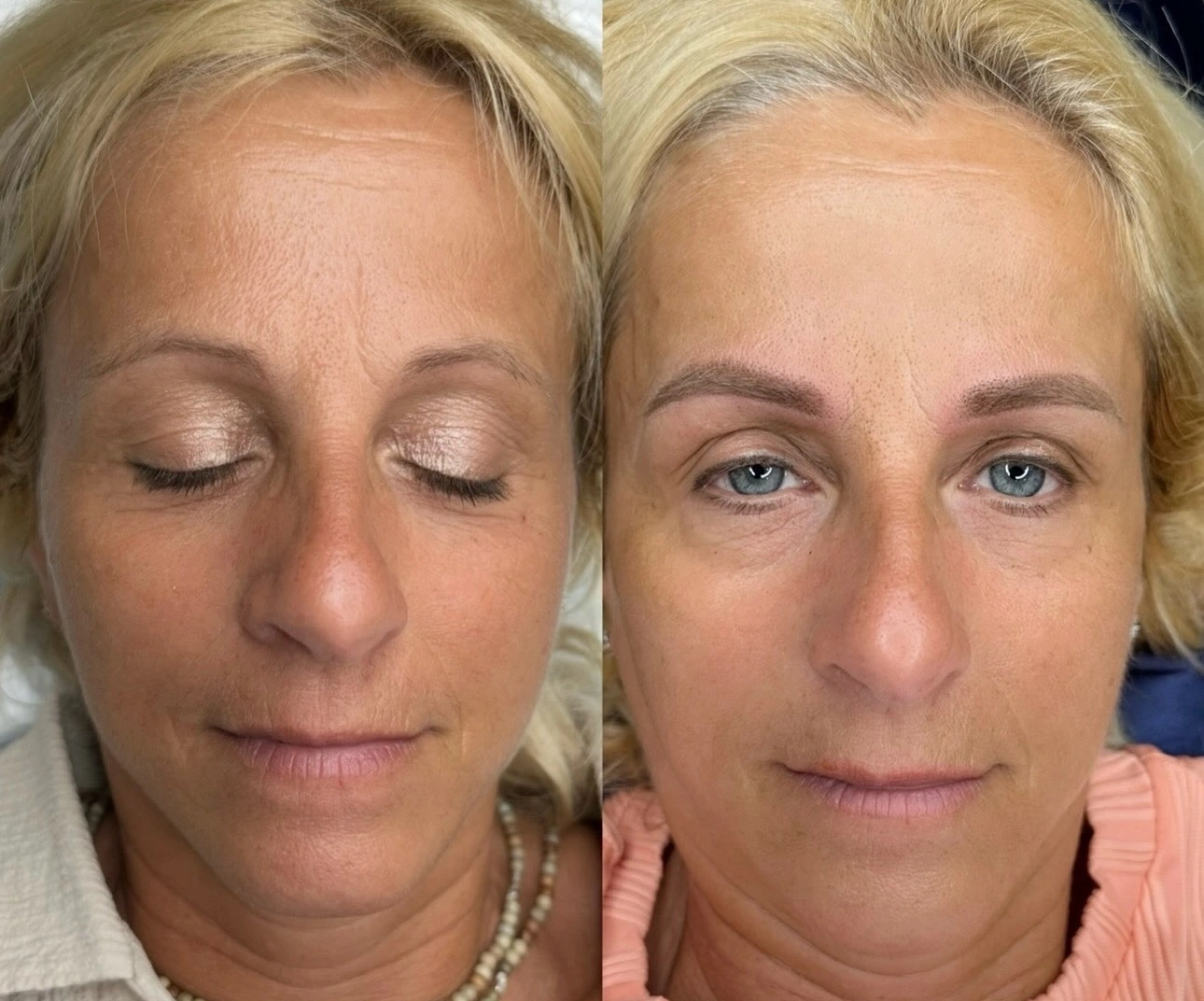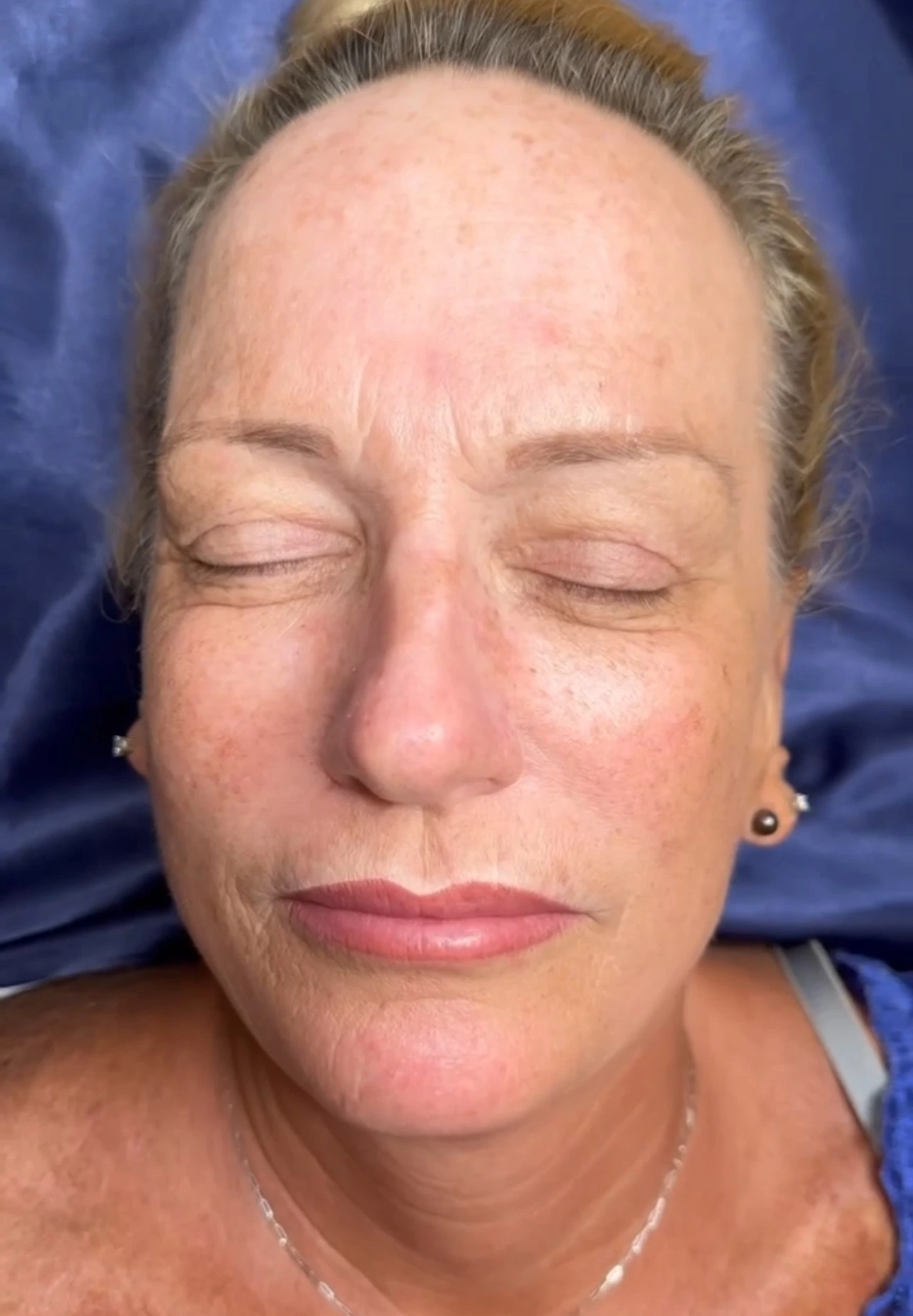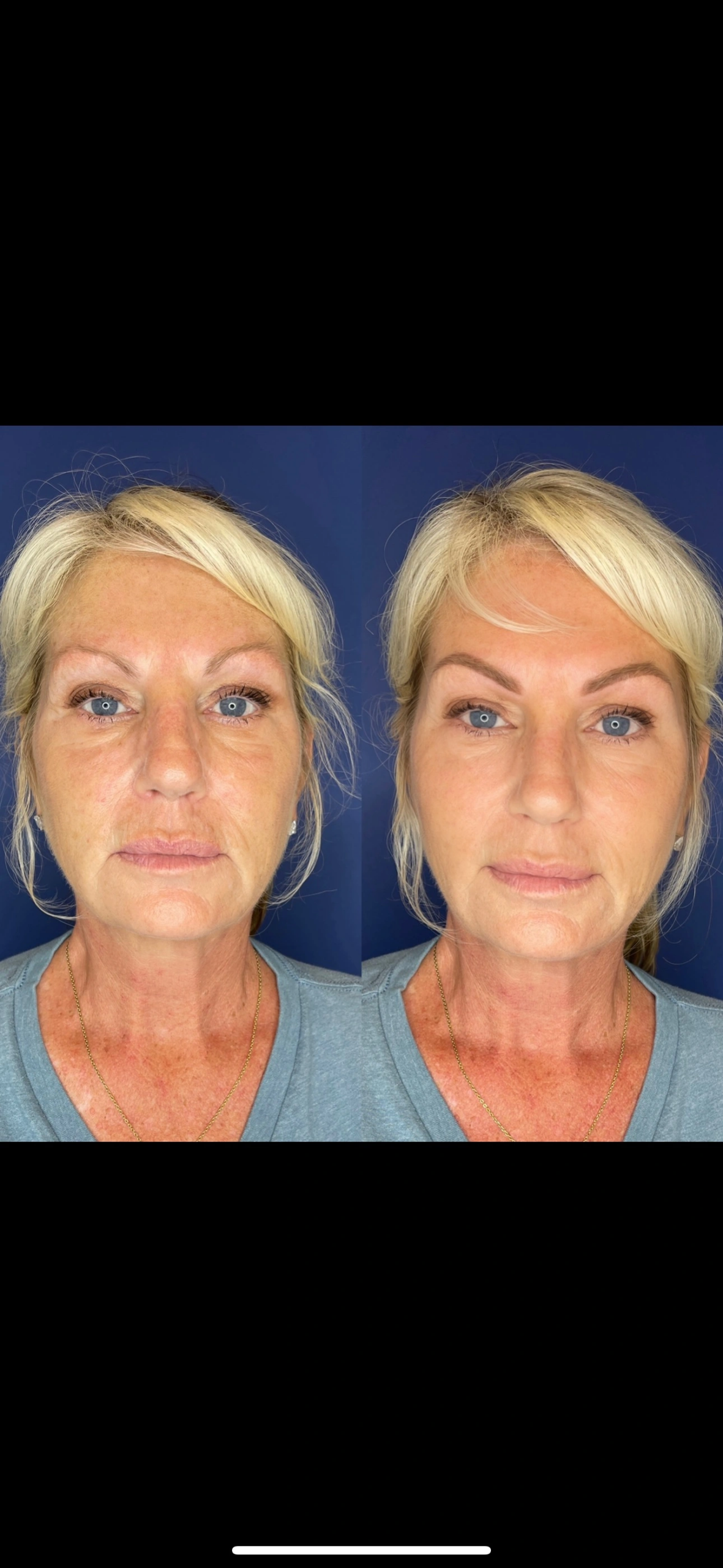
Microblading is technically a form of tattooing, which is why microblading and eyebrow tattooing get confused. But it is not what most people picture when they hear eyebrow tattoo. In a microblading vs tattoo eyebrows comparison, the differences that matter are depth, pigment and how each ages.
The short answer
Microblading is a semi-permanent procedure. It fades over 1 to 3 years, with most people wanting a refresh around twelve to eighteen months. Eyebrow tattooing is a permanent one, and a brow tattoo stays for life.
In a tattoo eyebrows versus microblading comparison, both place pigment under the skin, and both count as permanent makeup. That shared label is part of why they get mixed up. They use different materials, at different depths, with different tools, and those three differences produce every other difference between eyebrow tattooing and microblading.
Weighing permanent eyebrows and worried about something permanent on your face? The distinction below answers that worry.
Is microblading a tattoo?
Half the pages you read say microblading is a tattoo. The other half say it is the opposite. Both are defensible, which is why the question keeps getting asked. Neither side is dishonest; they answer different versions of it.
Technically, yes. Microblading places pigment into the skin with a blade. That is like tattooing in mechanism, and a cosmetic tattoo artist would call it one type of tattoo. It sits under the umbrella term cosmetic tattooing, alongside machine methods, so microblading is a form of eyebrow tattooing by definition.
Practically, no. Microblading is not the type of eyebrow tattoo people mean. The pigment differs, the depth differs, the tool differs, and the result fades rather than staying put. Someone picturing a permanent, solid, dark brow is picturing traditional eyebrow tattooing, not microblading.
So microblading is permanent in the sense that it is a tattoo, and semi-permanent in every sense that affects you. The second meaning is the useful one.
Most people asking is microblading tattoo work want one thing: to know whether they are stuck with it. They are not. The semi-permanent nature of microblading allows the decision to reverse itself.
The key differences between eyebrow tattooing and microblading
The tool
Microblading uses a handheld tool with a row of fine blades. Your microblading artist draws hair-like strokes by hand, following the direction your natural eyebrow hair grows.
Eyebrow tattooing uses a tattoo machine. A powered needle drives pigment in at speed and deposits it continuously rather than stroke by stroke. It covers ground faster and places pigment more consistently, which is why it produces a different look.
The depth
This is the mechanism behind everything else. Microblading places pigment in the upper layers of the skin. A tattoo places ink deeper into the skin, into the dermis, where the body cannot break it down or clear it.
Shallow placement is why microblading fades. Your skin renews its upper layers and carries the pigment out over a year or two, and microblading results soften steadily as it happens. Deep placement is why a tattoo does not: the dermis does not shed, so ink stays where it was put.
All the other differences between these two follow from that one fact. The rest of this page is consequences.
Pigment against ink
Microblading pigments are formulated to fade lighter while staying in their own color family. Traditional tattoo ink is formulated to stay, and as it ages it shifts hue, usually toward blue or green.
Cosmetic pigments use smaller particles and break down. Tattoo artists work with inks built to resist that. Tattoo ink tends to hold its position for decades. Neither is a better product. They are built for opposite jobs.
That difference in formulation explains the single most common fear people bring to a consultation.
How each one ages
Fine microblading strokes hold their shape as they fade over time. Compared to eyebrow tattooing, the eyebrow area ages far more predictably.
Tattoo lines spread over years. Pigment migrates slightly in the dermis, an effect artists call bleeding out, and tattoo ink fades unevenly as it goes. A machine brow from twenty years ago looks different today than the week it was done. The shape is usually still there. The crispness is not.
This is the clearest of the differences and why they matter. It shows up over years rather than weeks, and it is the sharpest point in any microblading versus tattooing eyebrows comparison.
How long each lasts
Microblading lasts 1 to 3 years, with most people booking a refresh around twelve to eighteen months. Microblading how long does it last covers what moves that figure.
A traditional eyebrow tattoo is effectively lifelong. It changes over time. It does not leave.
The healed appearance
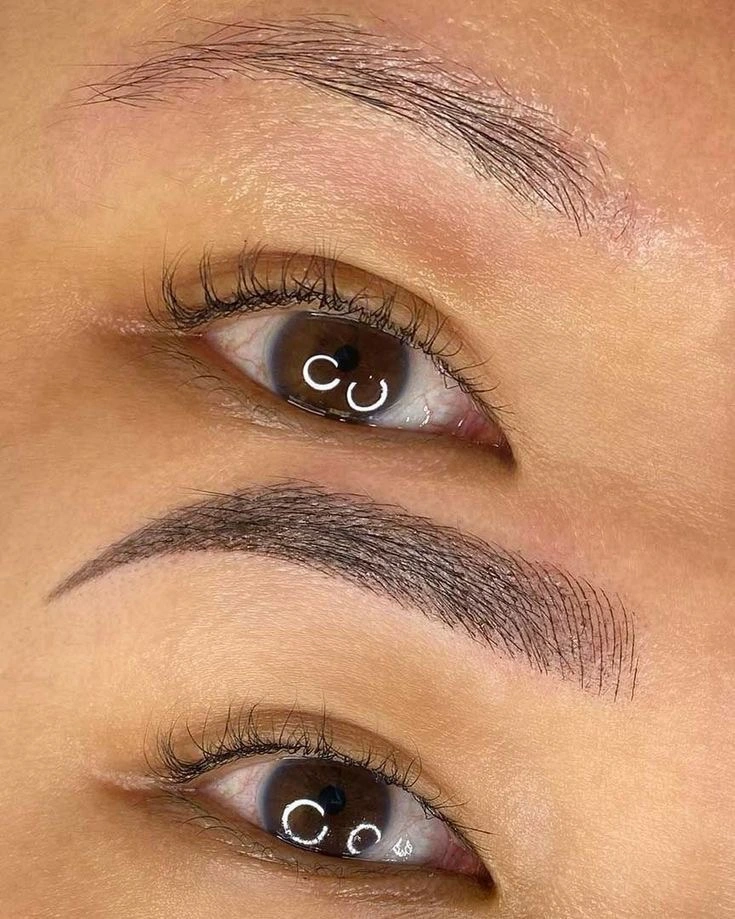
The microblading technique creates individual hair-like lines. Up close you see separate fine lines of microblading, running the way your eyebrow hair grows. They blend with surrounding eyebrow hair and read as real eyebrow rather than sitting on top.
Eyebrow tattoos create a solid or shaded shape rather than separate lines. Modern machine techniques can be very soft. A well-done powder brow looks nothing like the dark brow created by tattooing decades ago. The effect is still a wash of color rather than distinct strokes.
Which reads better depends on your own brow hair. Sparse brows often suit shading, since strokes on bare skin can look drawn on.
Reversibility
Microblading fades on its own, so changing your mind mostly means waiting. Two or three years and the decision undoes itself.
An old eyebrow tattoo needs active removal, usually laser. Tattoo removal near the eye is specialist work. It takes multiple sessions, costs more than getting a tattoo did, and does not always clear completely. Weigh that before you choose.
A comparison table
| Microblading | Eyebrow tattoo | |
|---|---|---|
| Tool | Handheld blade, drawn by hand | Machine with a powered needle |
| Depth | Upper layers of skin | Deeper, into the dermis |
| Material | Cosmetic pigment | Tattoo ink |
| How it ages | Fades lighter, keeps its hue | Shifts toward blue or green |
| Line quality | Strokes hold their shape | Lines spread and blur |
| Lasts | One to three years | Effectively lifelong |
| Reversing it | Fades on its own | Needs removal |
Which one should you choose?
Neither method is the better one. They suit different people.
Microblading suits you if you want brows that look natural, are not certain you want something permanent, and accept maintenance every year or so. The benefits of microblading are mostly about reversibility, which makes it the safer choice when you are unsure.
A machine method suits you if you want a bolder, more defined, more filled shape, and if returning regularly does not appeal. The machines used for eyebrow tattooing today are not the machines of 1995. Dismissing the method on that basis means dismissing a legitimate option.
Skin type belongs in this decision too. Microblading is done in the upper layers of skin. It holds poorly on oily skin, where strokes blur sooner and the result comes out softer than intended. A skilled microblading artist tells you this before you book. Shading holds better there, and powder brows vs microblading covers that comparison.
Decide on permanence first, then appearance, then check both against your skin type. Answer those three in order and the decision usually makes itself. Whether you get microblading or a machine method, the assessment is the same. Assessing your own skin type in a mirror is harder than it sounds.
What about those blue-green brows?
Many people arrive at a consultation picturing a specific thing: an older relative with brows that have turned blue, grey or green.
That look comes from aged tattoo ink. Traditional tattoo ink sits deep in the dermis. It contains carbon and iron oxides that break down unevenly over decades, with the warm tones fading first. What remains reads cool.
Modern cosmetic pigment behaves differently. Manufacturers formulate it to fade lighter within its own color family rather than shifting hue. It also sits shallow enough that the body clears it well before decades pass. Microblading does not turn blue. It gets lighter and eventually goes.
Modern machine work does not produce that look either. Those brows were done with traditional tattoo ink, often by artists without cosmetic training, using techniques the industry left behind.
Frequently asked questions
Is microblading permanent?
No. Microblading is a semi-permanent procedure and fades over 1 to 3 years. It is a form of eyebrow tattoo by mechanism, but it does not behave like one.
Can microblading be removed?
It fades on its own, which handles most cases, and waiting carries no risk. Saline or laser tattoo removal exists for anyone who wants it gone faster. Removal is slower and more involved than people expect, so patience is usually better.
Which one hurts more?
Most people find machine work more uncomfortable. It covers more ground and works faster, so the sensation is more sustained. Both use topical numbing, and most clients describe either as tolerable rather than painful.
Will microblading turn blue like an old tattoo?
No. Cosmetic pigment fades lighter within its own hue. The blue-green effect comes from tattoo ink aging in the deeper dermis.
Can microblading cover an existing eyebrow tattoo?
Sometimes, and it depends entirely on the existing work. An old eyebrow tattoo sits deeper than new microblading strokes. It shows through rather than disappearing underneath. Dark or heavily saturated tattoos usually need lightening first. Book an assessment and bring photos.
Which lasts longer?
The brow tattoo, by a wide margin. Microblading gives you 1 to 3 years. Eyebrow tattooing is a permanent procedure and gives you the rest of your life. Whether that counts as an advantage depends entirely on how certain you are about the shape and shade you have chosen.
Is microblading safer than eyebrow tattooing?
Both are safe in trained hands, with sterile single-use equipment and proper aftercare. That holds whether you see a microblading artist or a cosmetic tattoo artist. The risks are the same: infection during healing, an allergic reaction to pigment, a shape or color you do not like. Microblading carries less risk of a permanent mistake, because the result is not permanent. That is a difference in consequences rather than safety.
Deciding which suits you
Your skin type and the result you want decide this. No general comparison of the differences between eyebrow methods can. Book a consultation and both questions get answered against your actual brows.