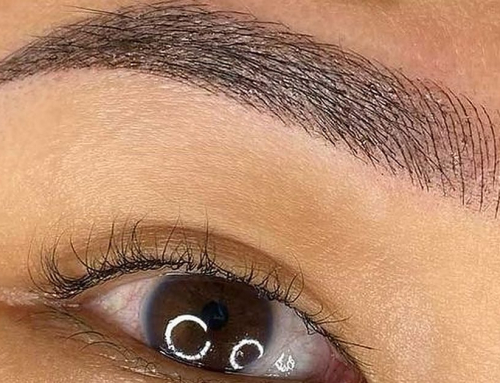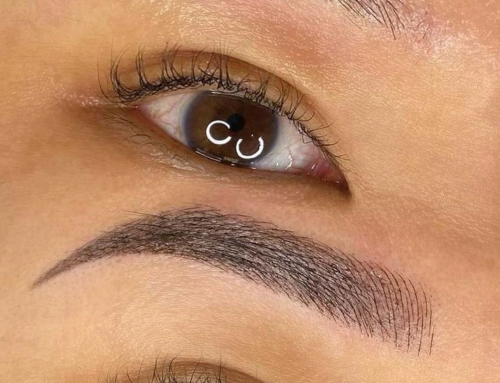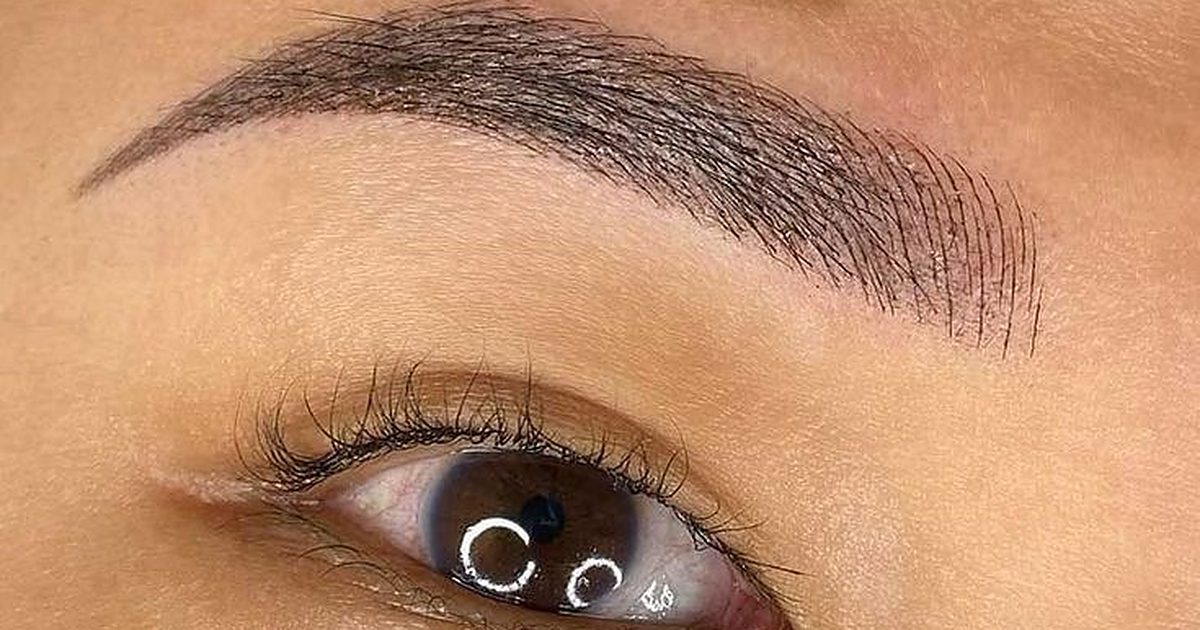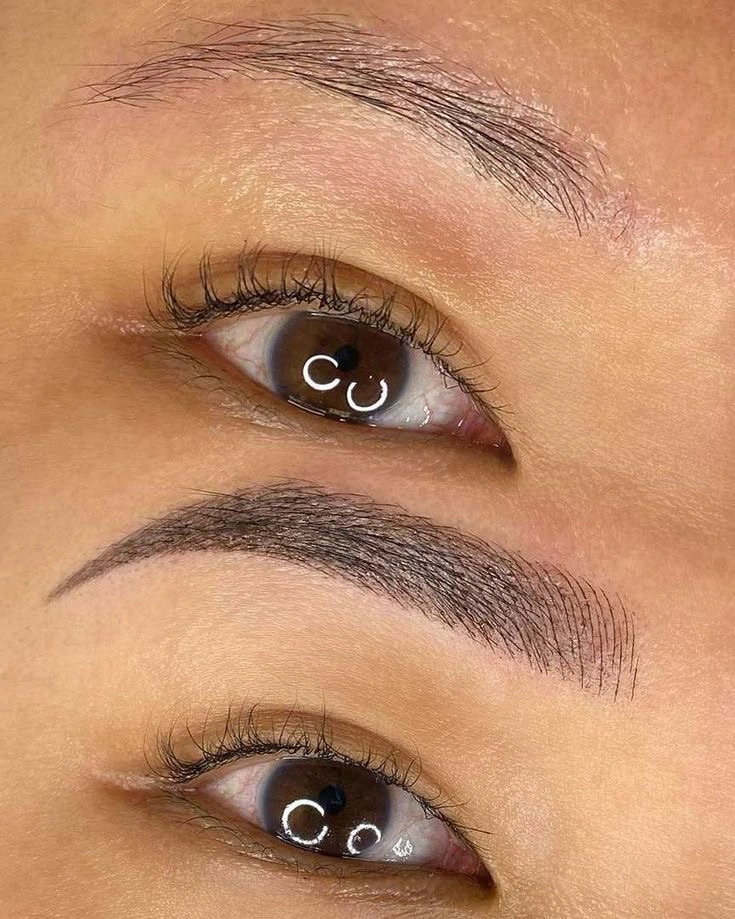

Most people looking into microblading removal did not arrive there gradually. Something specific went wrong. The shape was mapped too high, the color healed gray or orange instead of the brown that was agreed, one brow sits differently from the other, or the work has faded into an uneven shadow that no longer looks like hair. Regret is the usual starting point, and old microblading does not fade on its own at a speed anyone finds acceptable. This post covers what actually happens in tattoo removal for permanent makeup, how long it takes and what to expect along the way.
It also covers the part most pages skip, which is that removal is not always the right answer. Sometimes the faster route to brows you like is not taking the old pigment out at all.
How saline microblading removal works
Saline removal uses the same kind of tool that put the pigment there. A salt based solution is worked into the treated tissue, which draws pigment upward toward the surface of the skin, where it lifts into a scab. As that scab forms and then flakes away over the following days, it carries pigment with it. What is left behind is lighter than what you started with.
The method works on pigment of any color, which matters because permanent makeup pigments are mixed shades rather than single-color tattoo ink. It can be applied to one zone rather than the whole brow, so a technician can lift pigment from an area outside your natural shape while leaving workable pigment where it belongs. It also does not affect the hair follicles.
What it will not do is lift everything at once. Saline works in layers and the brows fade gradually. Each removal session takes a portion of what is there, the skin heals, and the next session takes another portion. That is the entire approach, and rushing it is what causes problems.
At Ashley Swain Permanent Makeup & Medspa, saline is the method used for lifting permanent makeup pigment.
How laser removal fits into the picture
If you search for microblading removal you will find mostly laser clinics, so it is worth saying what laser microblading removal is and what it is not.
Laser tattoo removal uses light energy at a particular wavelength to break pigment into smaller particles, which the body clears internally over the following weeks. A pico laser is the type most often used on cosmetic work. It is a genuine option and the laser technology is widely available. It also behaves differently on cosmetic pigment than on body tattoo ink. Permanent makeup pigments frequently contain iron oxides and titanium dioxide, and those can react to a laser session by darkening rather than lightening. That reaction is documented, and it is the reason a test spot is standard practice before treating a whole brow with laser.
Saline does not carry that particular reaction, which is one reason a number of permanent makeup artists work with it instead. The studio here works with saline. If laser removal is the route you want to explore, that is a conversation to have with a clinic that provides it.
How many sessions microblading removal usually takes
Nobody can tell you a fixed number before seeing your brows, and anyone who does is guessing.
Across this kind of work, most plans run across several appointments, commonly four to eight. Lightly saturated or already faded work sometimes finishes in two or three. Dense, deeply placed or repeatedly layered pigment is more stubborn and can take more. Sessions are spaced several weeks apart, usually six to eight, because the skin needs to heal completely before it is worked on again.
What moves your number:
- How much pigment is in the skin. Layered work, where someone has gone over the same brow more than once, takes longer than a single application.
- How deep it was placed. Pigment implanted too deep lifts more slowly.
- The pigment itself. Some formulations release readily and some resist.
- Your skin type and how it heals. This varies between people and it is not something anyone can predict from a photograph.
- How light you need it to go. Lifting pigment enough to work over is a shorter job than taking a brow back as far as the skin will allow.
It is also worth saying plainly that complete removal cannot be promised. Skin does not always give back everything it was given. The realistic goal is lifting the pigment far enough that your brows can be rebuilt into something you are happy with, or far enough that what remains no longer reads as a mistake.
What healing looks like between removal sessions
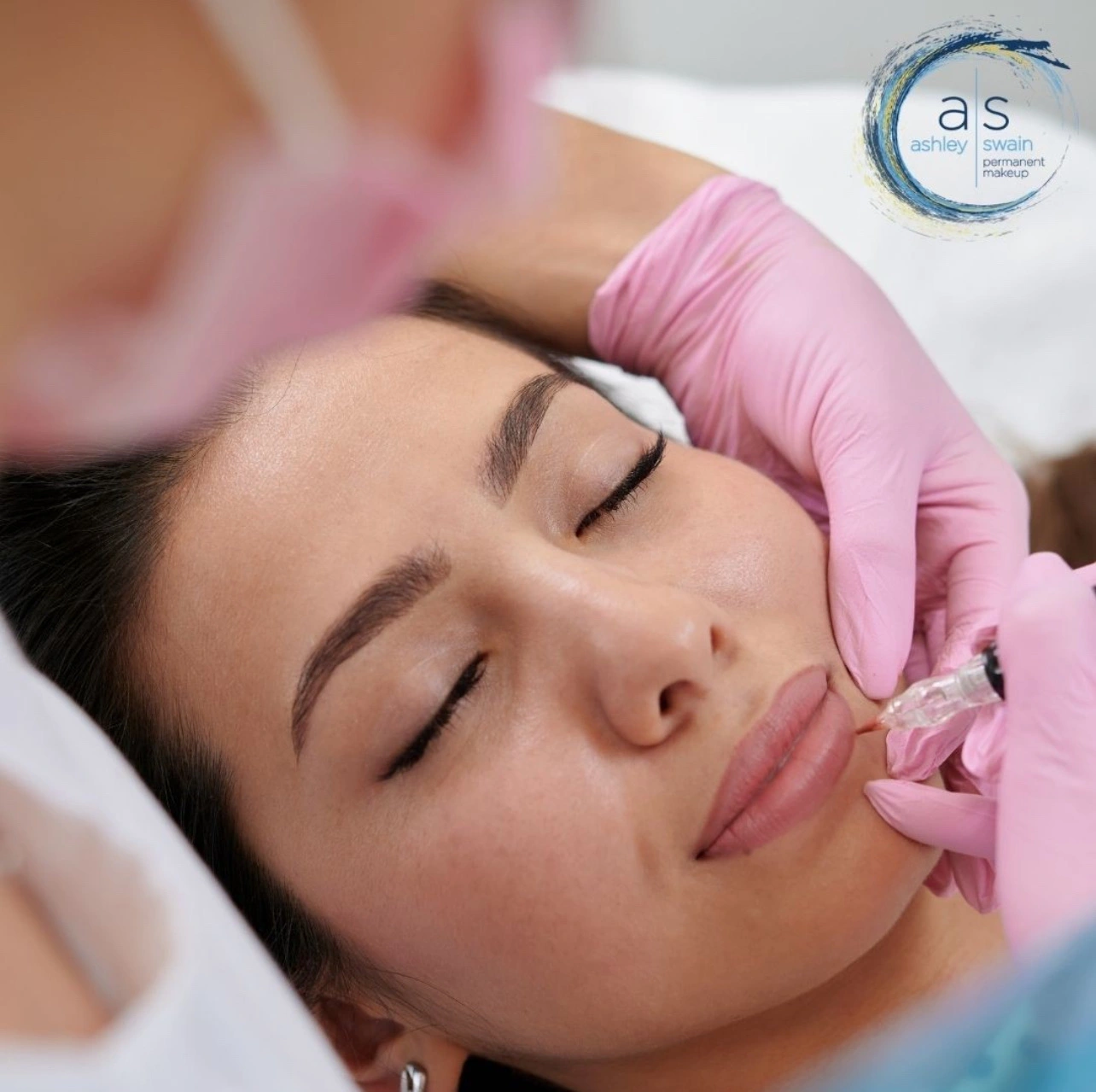
Numbing cream is applied topically before the session. The days afterward follow a predictable shape. Expect redness, some inflammation and tenderness for the first few days, then a scab that forms over the treated area and stays put for a while. The scab does its job by coming off on its own timetable, usually inside a week or two, taking pigment with it.
The one rule that matters more than all the others is not to pick it. A scab lifted early takes the healing skin underneath along with it and leaves the pigment behind, which is the opposite of the intended result and adds risk of texture change.
The rest is straightforward. Keep the area clean and dry as instructed, keep it out of direct sun, leave makeup off while it heals, and book nothing else on the brows until the studio says the skin is ready.
Scarring risk is the question people ask most, and the honest answer is that any process which wounds skin and heals through scabbing carries some risk of a scar. It is managed safely by spacing sessions properly, by not taking too much in one sitting, by leaving the scabs alone, and by having the work done by a professional who removes pigment regularly. Aggressive sessions, short intervals and home attempts are where texture problems come from.
When correction is the better answer than removal
Removal is not always the fastest route to brows you like.
If the shape is broadly right and the problem is the color, or if the pigment has already faded a long way, lightening and reworking can get you to your final results in fewer appointments than a full removal followed by a rebuild. The decision depends on how saturated the pigment is, how far the existing shape sits from the shape you want, and what the skin will support. That evaluation is the first appointment, not a decision to make in advance.
The detail on that route sits in correcting previous permanent makeup safely, which covers lightening and color correction as a step before new pigment goes in. For work that was left badly placed or too dark by another studio, that is the page to start with. We specialize in correction and removal, including work done elsewhere.
How to choose someone to do it
A few things separate a good removal plan from a bad one.
- They assess before quoting. Anyone offering a session count without seeing your microbladed eyebrows is guessing.
- They do a patch test. A small test area shows how your skin and your pigment respond before the whole brow is committed. We arrange one on request.
- They space sessions properly. A technician pushing you to come back sooner than your skin has healed is working against the result.
- They tell you what they cannot do. Complete removal, guaranteed outcomes and fixed timelines are not things an honest professional promises.
- They can rebuild as well as lift. The person taking pigment out should understand what is going back in, so the removal serves the final design rather than working against it.
Can I remove microblading at home? No. Salt scrubs, removal creams and exfoliating routines cannot reach the layer of skin the pigment sits in. What they can do is injure the surface, which risks scarring and patchy texture while leaving the pigment where it was.
If you are still deciding whether removal or a different brow technique is your route, microblading and eyebrow tattooing and how long microblading lasts both cover useful ground.
Book an assessment of what is actually in your skin
Every microblading removal plan starts with looking at the pigment: how much of it there is, how deep it sits, what color it has drifted to and what your skin is likely to give back. A complimentary consultation at Ashley Swain Permanent Makeup & Medspa in Palm Beach Gardens gives you that assessment and a realistic plan built on it, including an honest answer about whether removal or correction is the better route for your brows. Call 561-295-8481 or book a consultation.